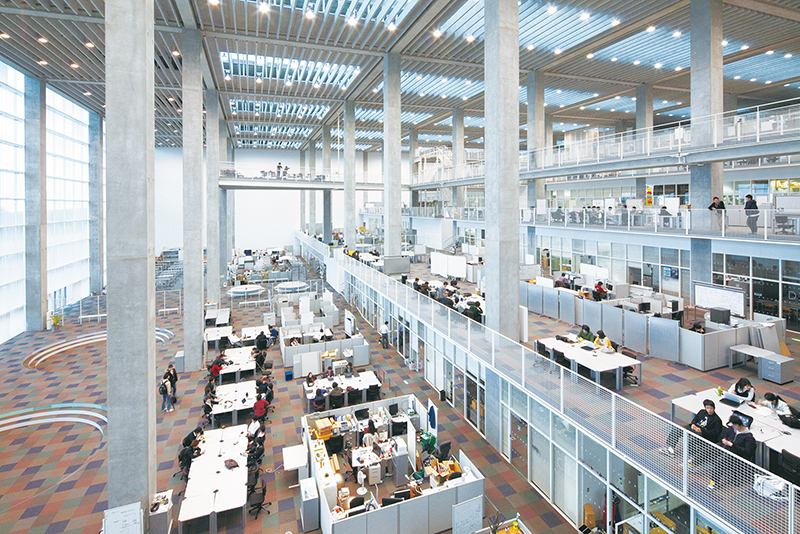
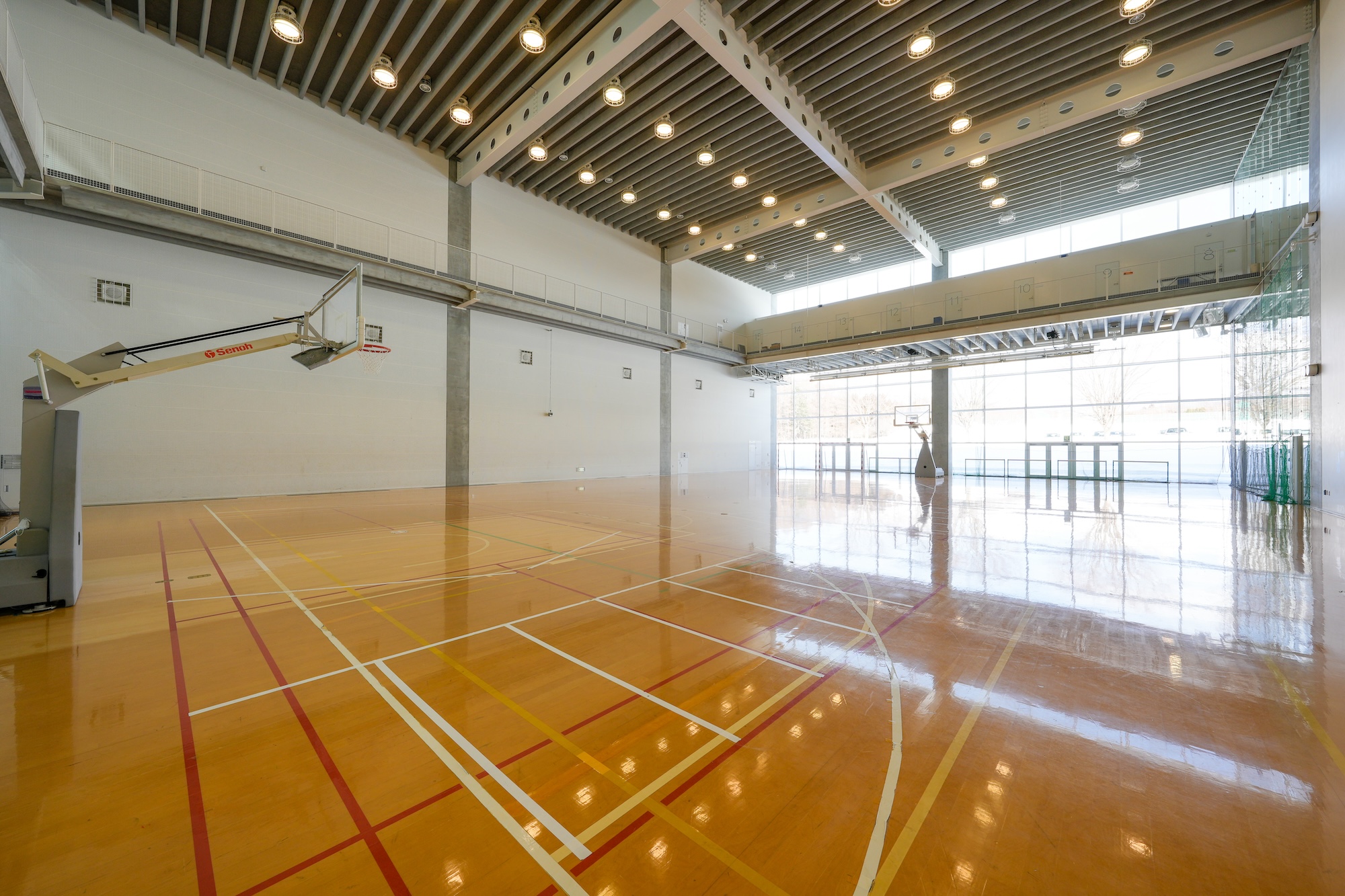
Facilities
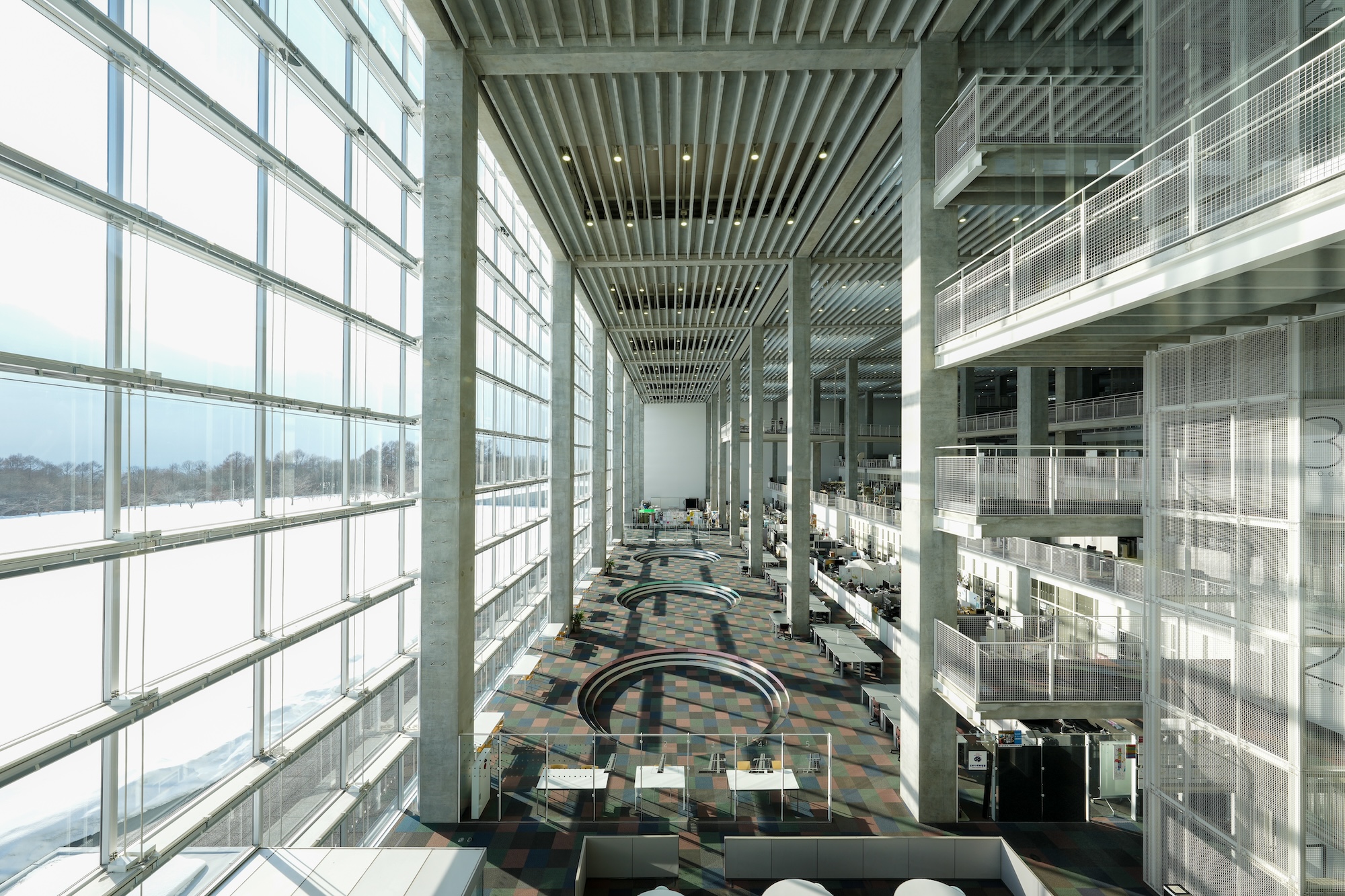
Advanced ICT exercises
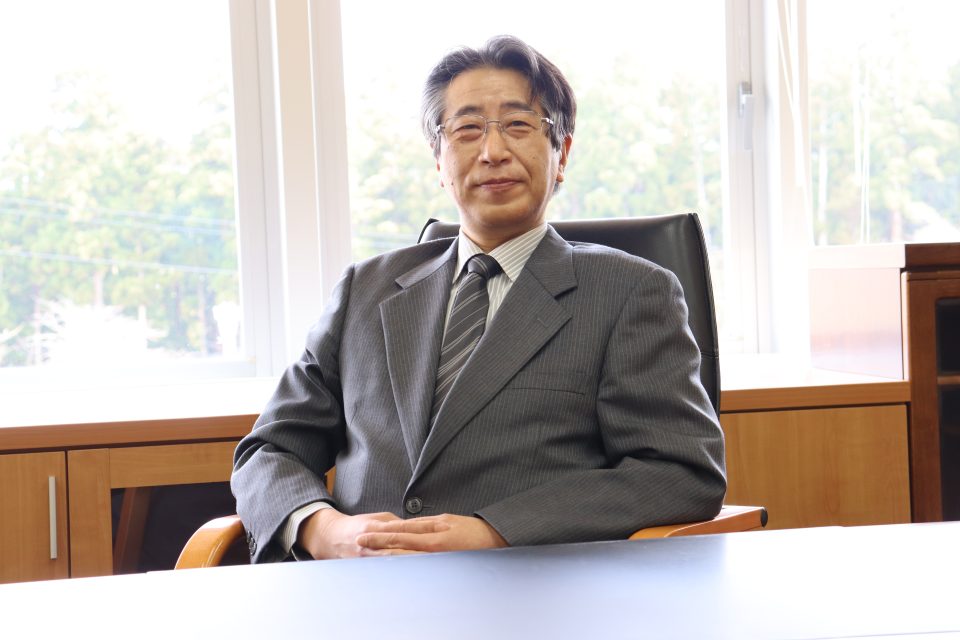
Message from the Chairman and President
Founding philosophy
History
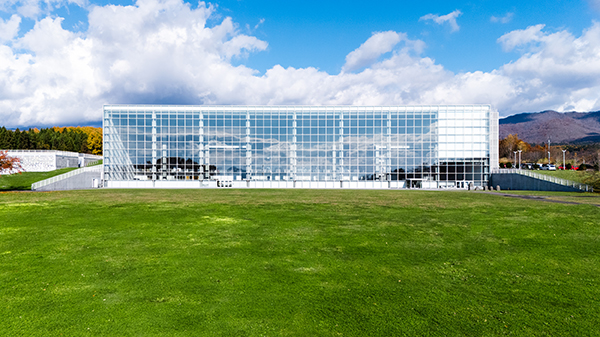
Research areas that are co-created with society
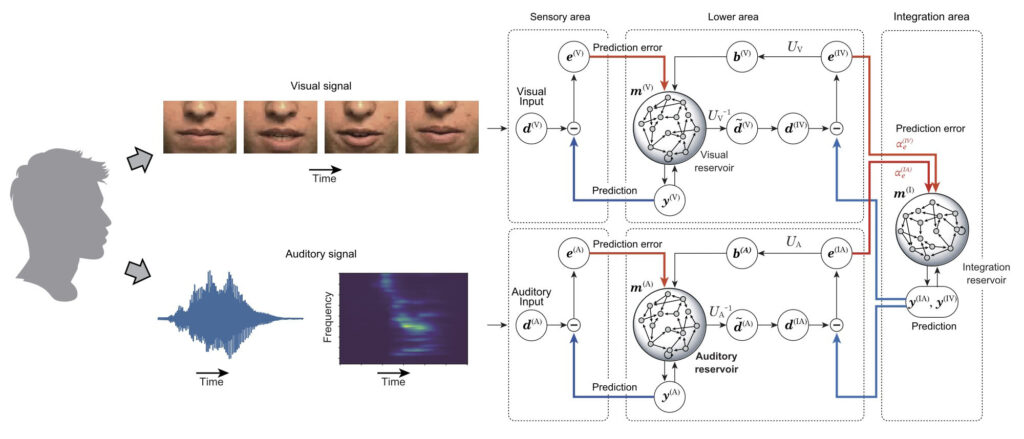
Future-class data science

Academic Exchange Network

enPiT

Regional university collaboration

Future University Hakodate Satellite Lab
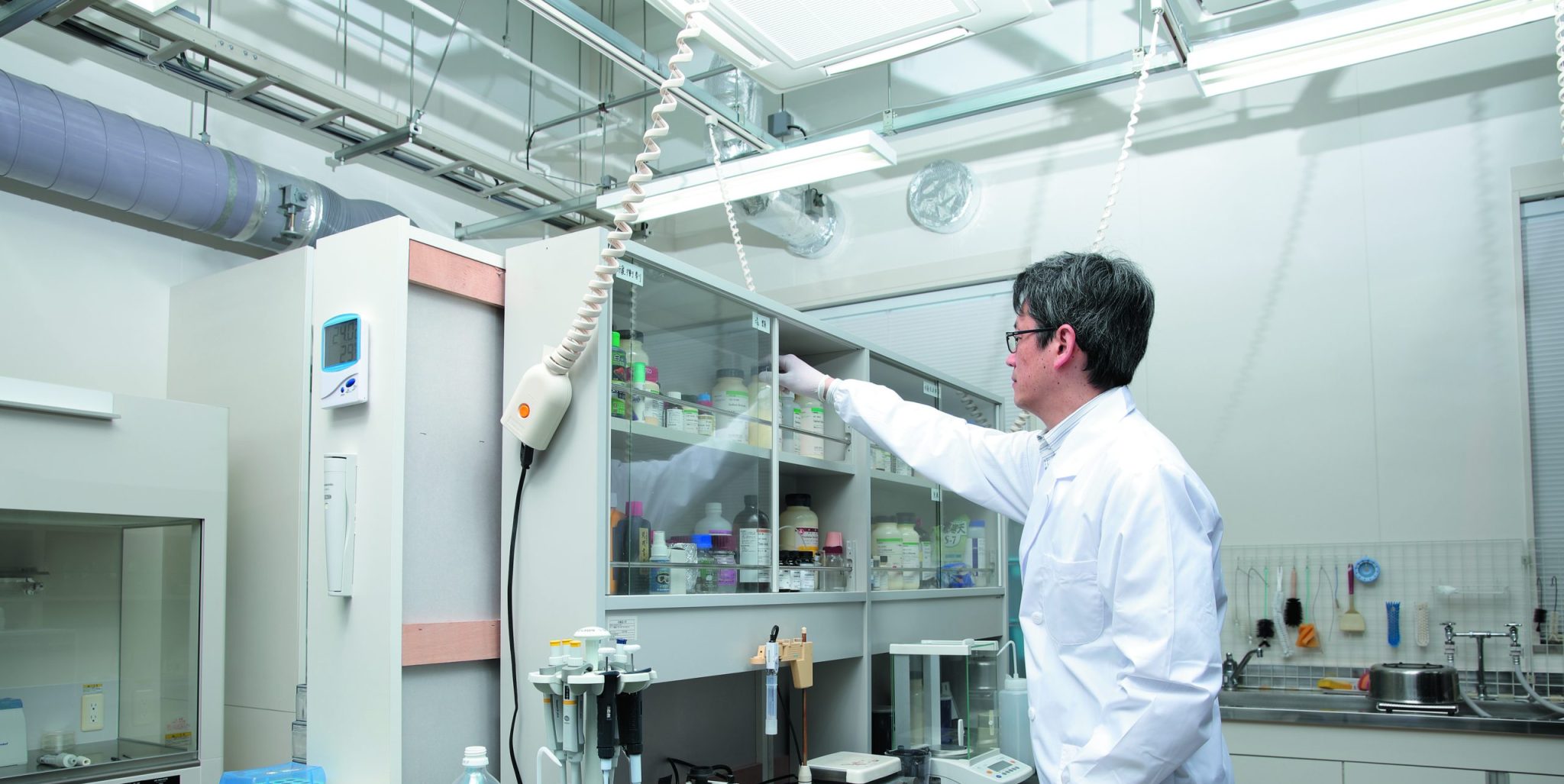
Institutional Information
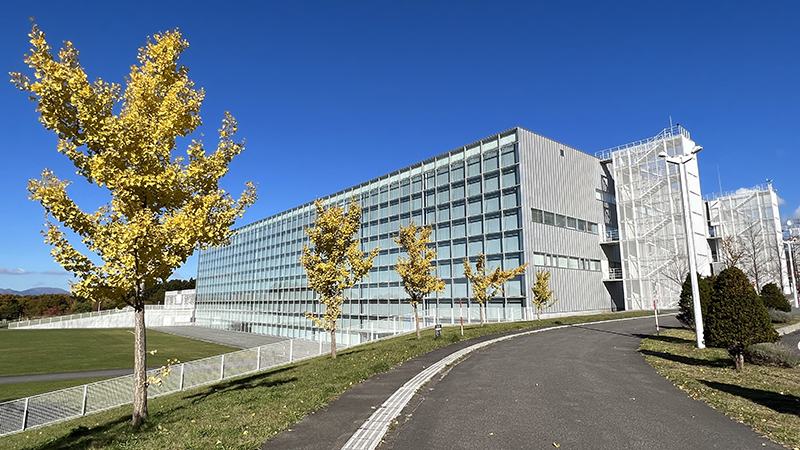
Educational Information
Financial information

Officers and Organization

Basic policy regarding the use of generative AI and translation AI

Use of community facilities
Future University Hakodate Promotion Fund
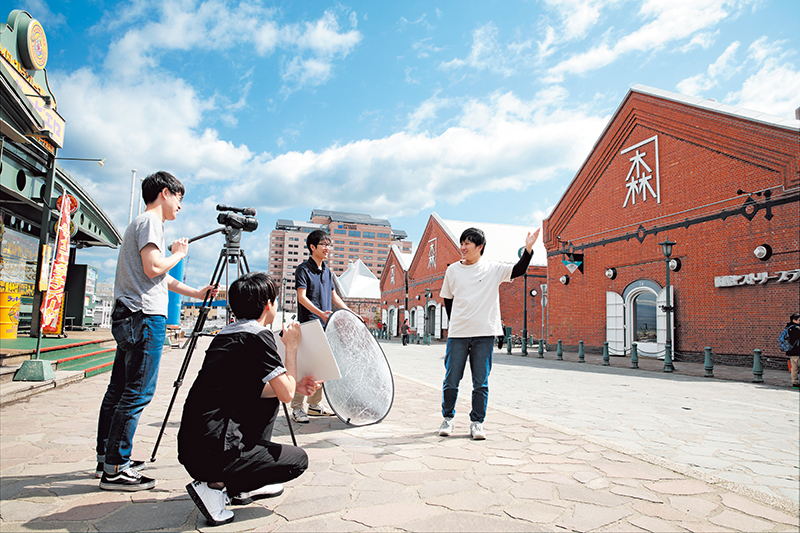
Future University in Video
University Guide (Digital Brochure)
Memorial magazine
Requests for documents, certificates, and concurrent employment

Recruitment Information
School of Systems Information Science
Department of Media Architecture
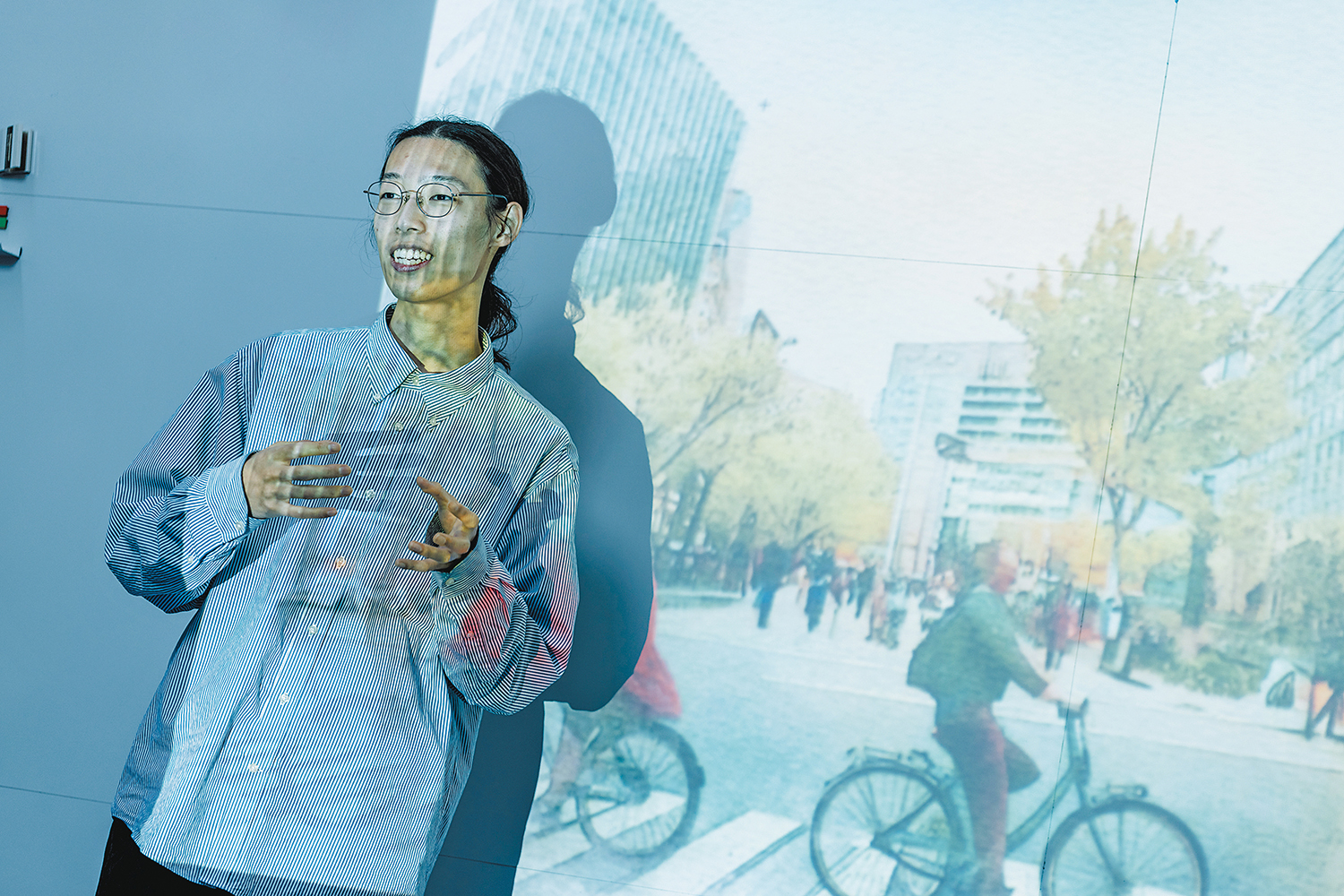
Department of Complex and Intelligent Systems
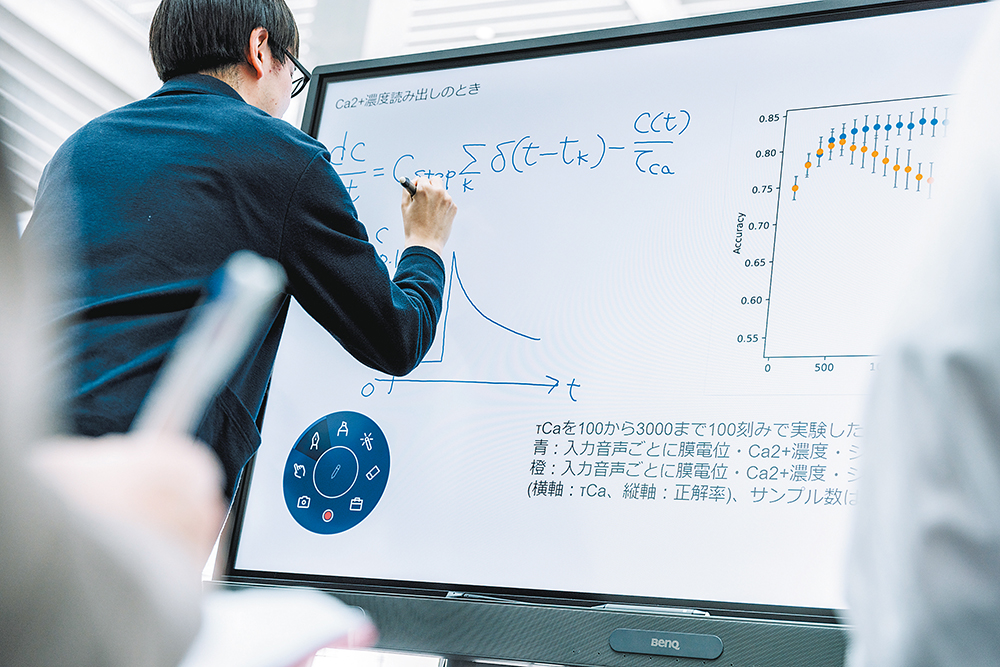
Three Policies

Curriculum Overview
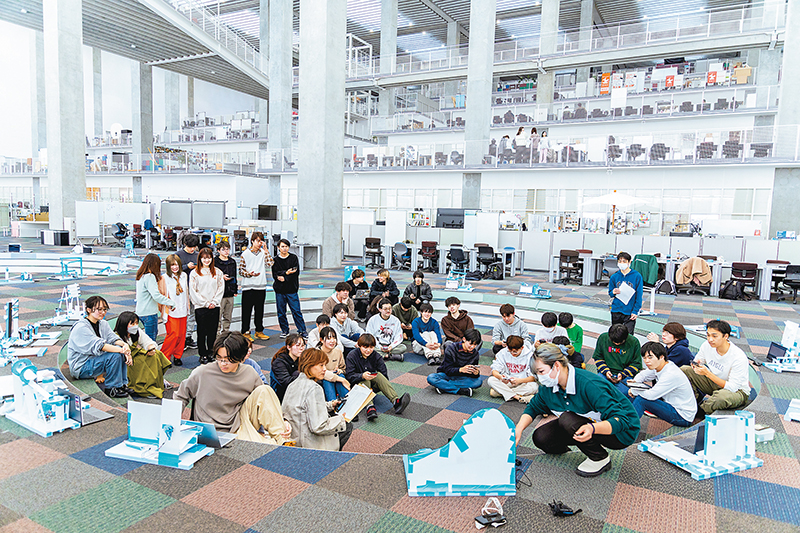
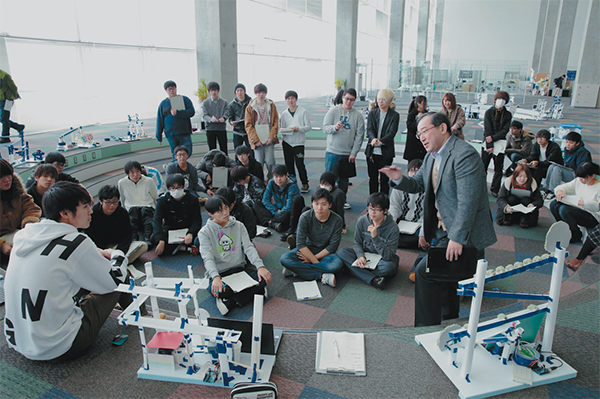
Project-based learning
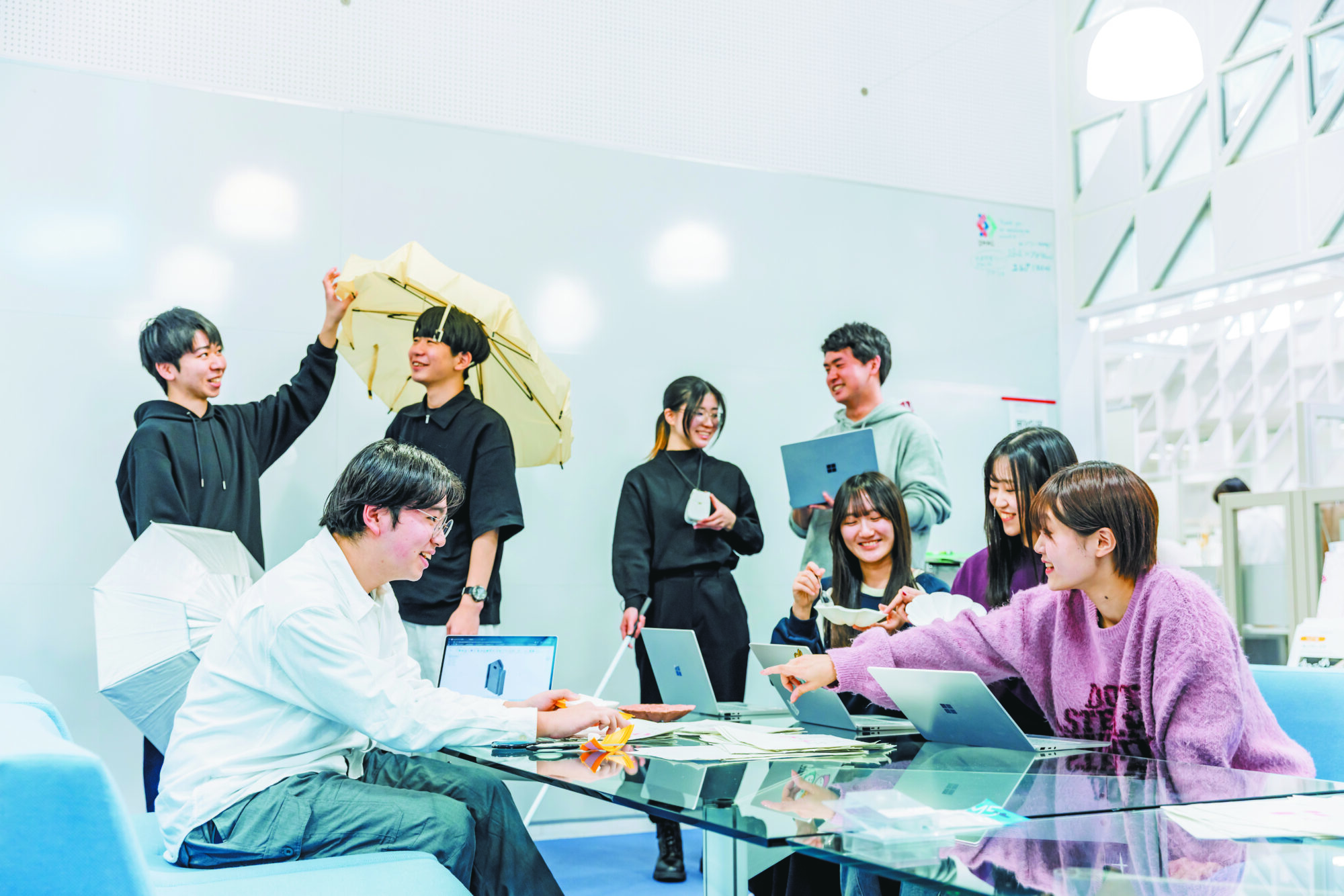
Meta-Learning Lab / Connections Cafe
Syllabus search
Graduate School of Systems and Information Science
Media Architecture
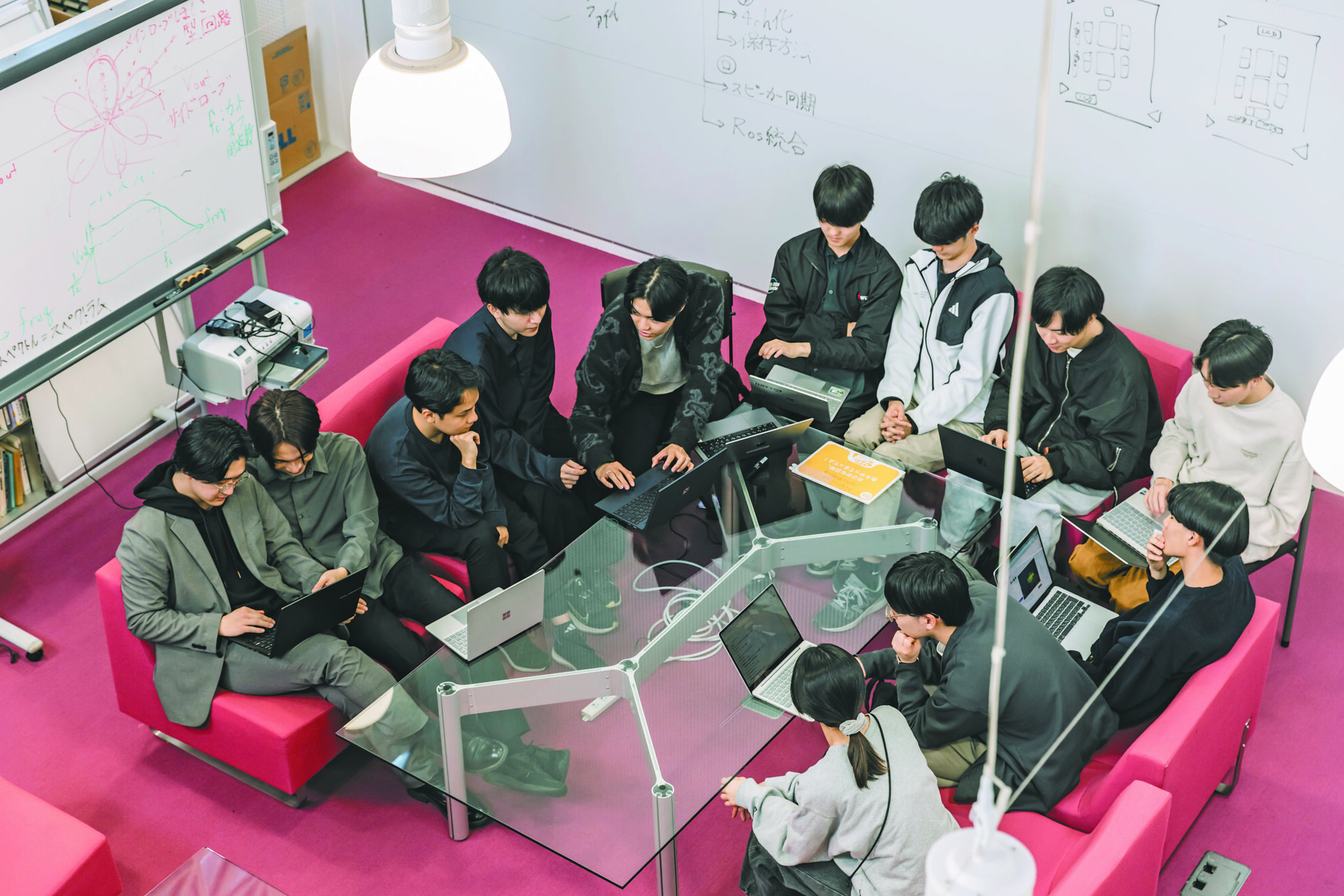
Advanced ICT
Media Design
Complex Systems Information Science
Intelligent Information and Science
Message from the Chair of the Graduate School
Three Policies
Syllabus search
Undergraduate employment and further education data
Graduate student employment and further education data
To all companies
On-campus rules
Various notification documents
List of Administration Bureaus
Campus wireless LAN (eduroam)
Yearly Schedule
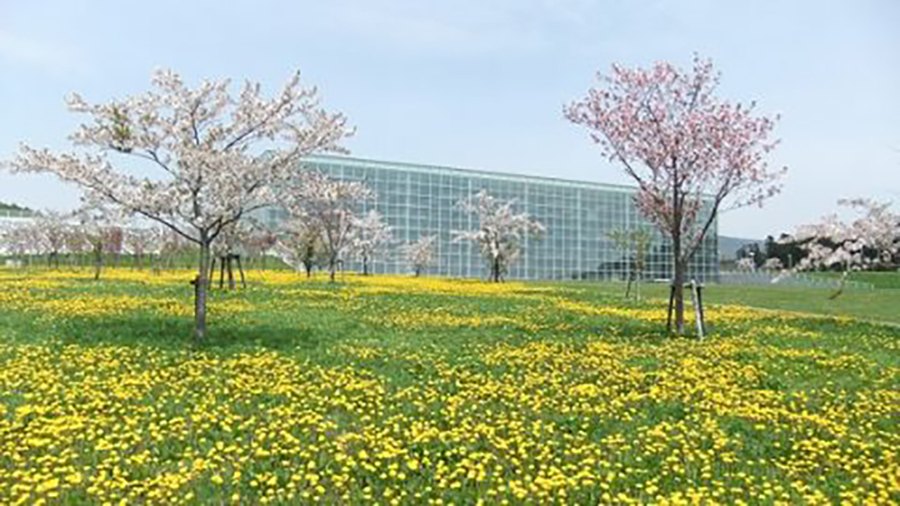
Learning at Future University Hakodate
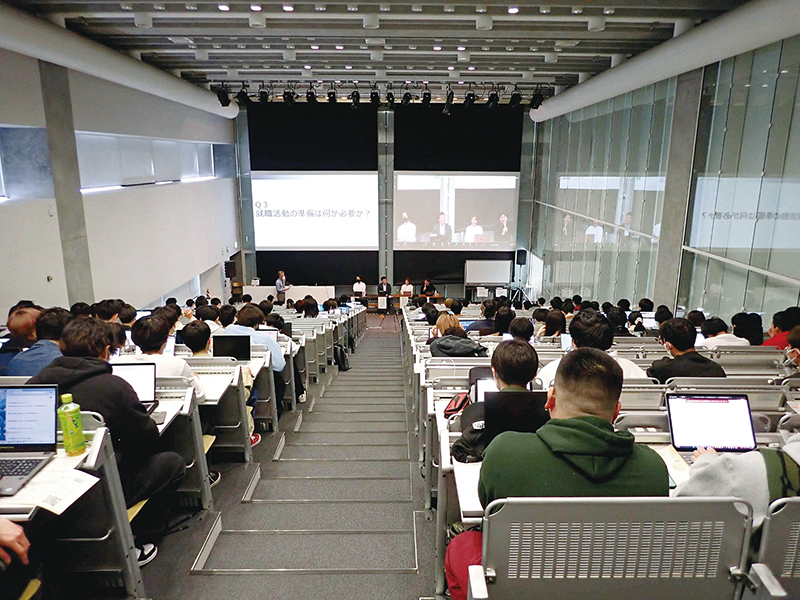
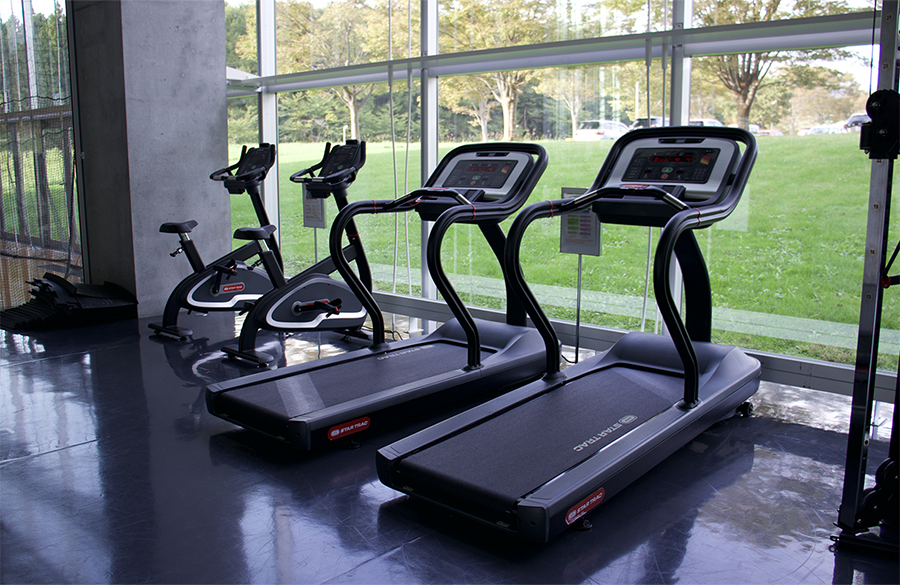
Campus Facilities and the University Co-op
Tuition Support and Scholarships
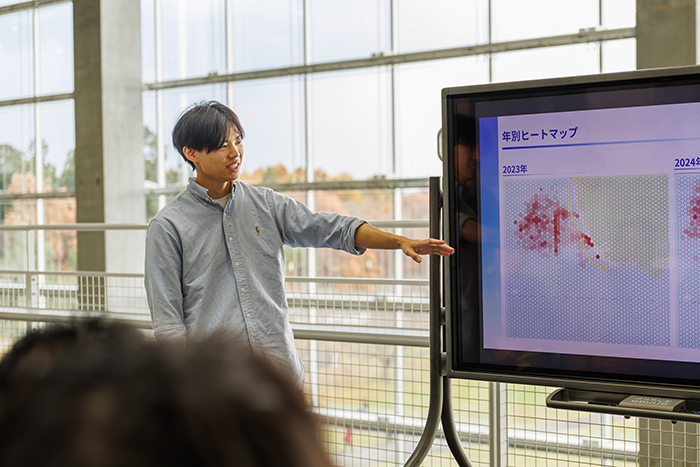
Student Support Services
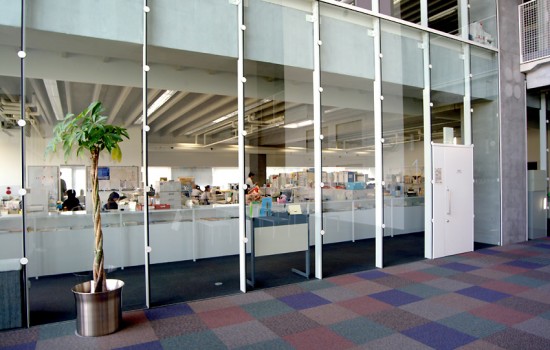
Housing and Daily Life

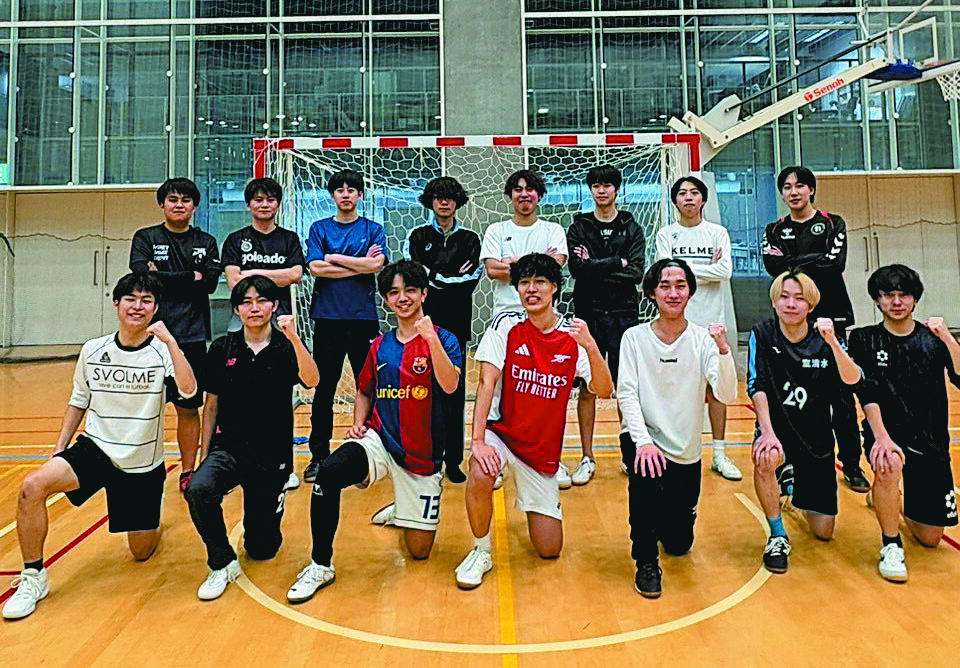
Extracurricular activities
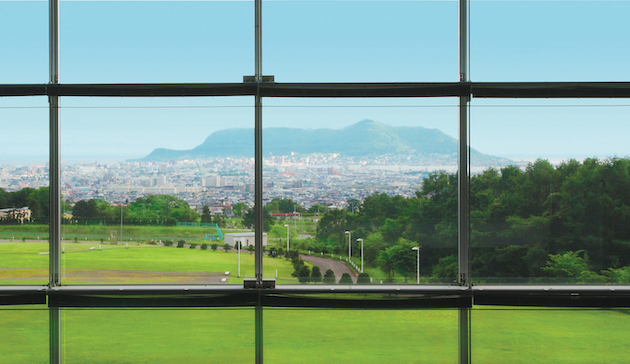
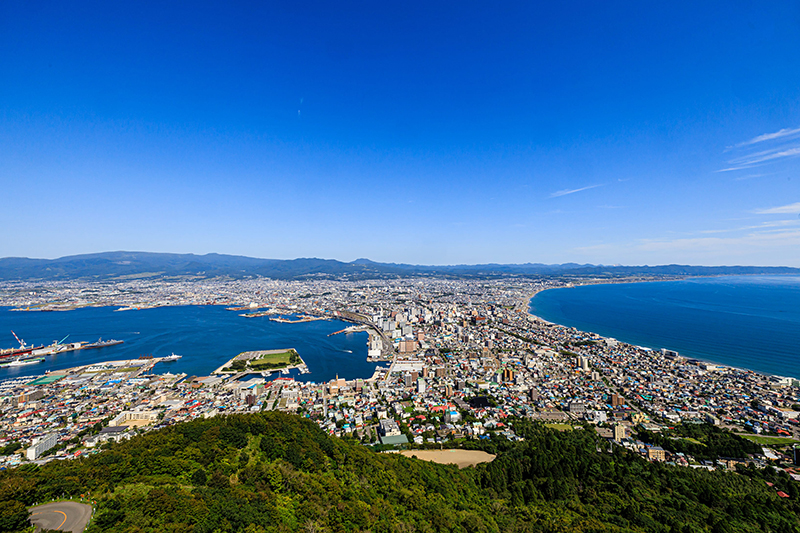
Mirai University Area Map
Study abroad / international exchange

Student interviews

Course registration information
Lesson
Faculty List
Research Seeds Collection
Academic Archives
List of Professors Emeritus
Prevention of research misconduct
Research Results Publication Policy
Use of Competitive Research Funding (Direct Costs) for PI Personnel Expenses
Disclosure of information regarding experiments, etc.
Collaboration with local communities and Open Lectures
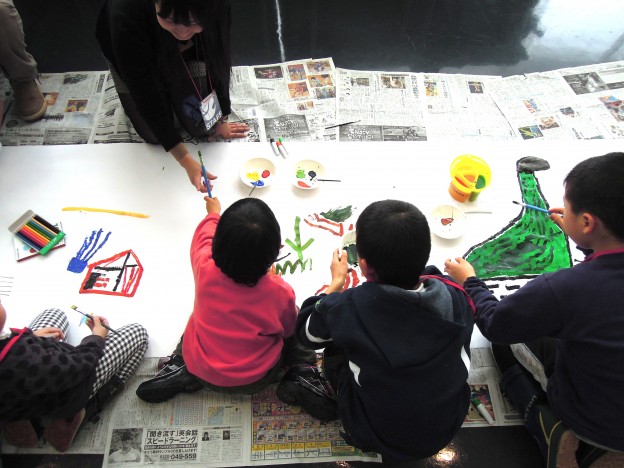
Joint research and technology transfer
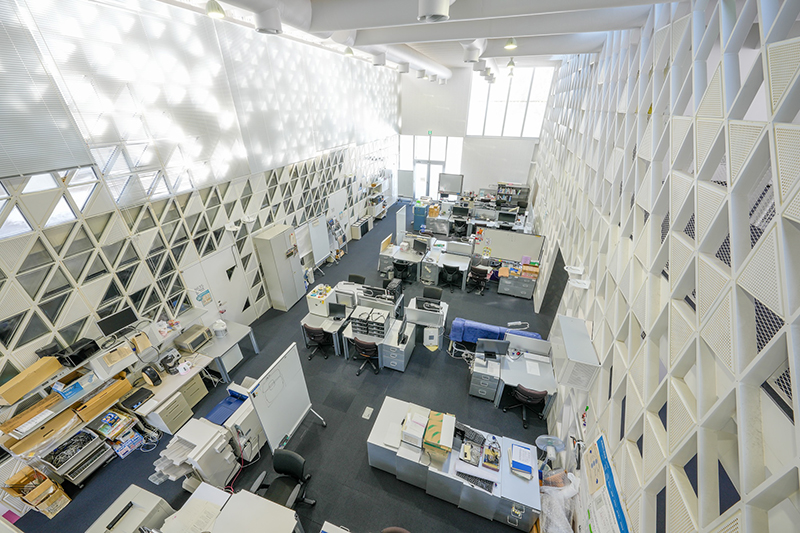
Industry-academia collaboration
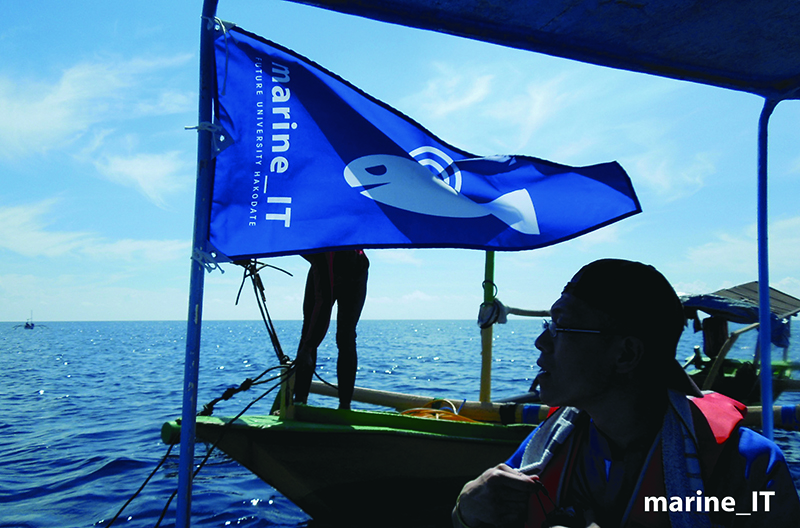
Startup support
Open Data Initiatives
Social Collaboration Policy
FM Iruka Radio's "Super Full-Stomach Variety Show: Yamashita-ya"
Requests for side jobs, etc.
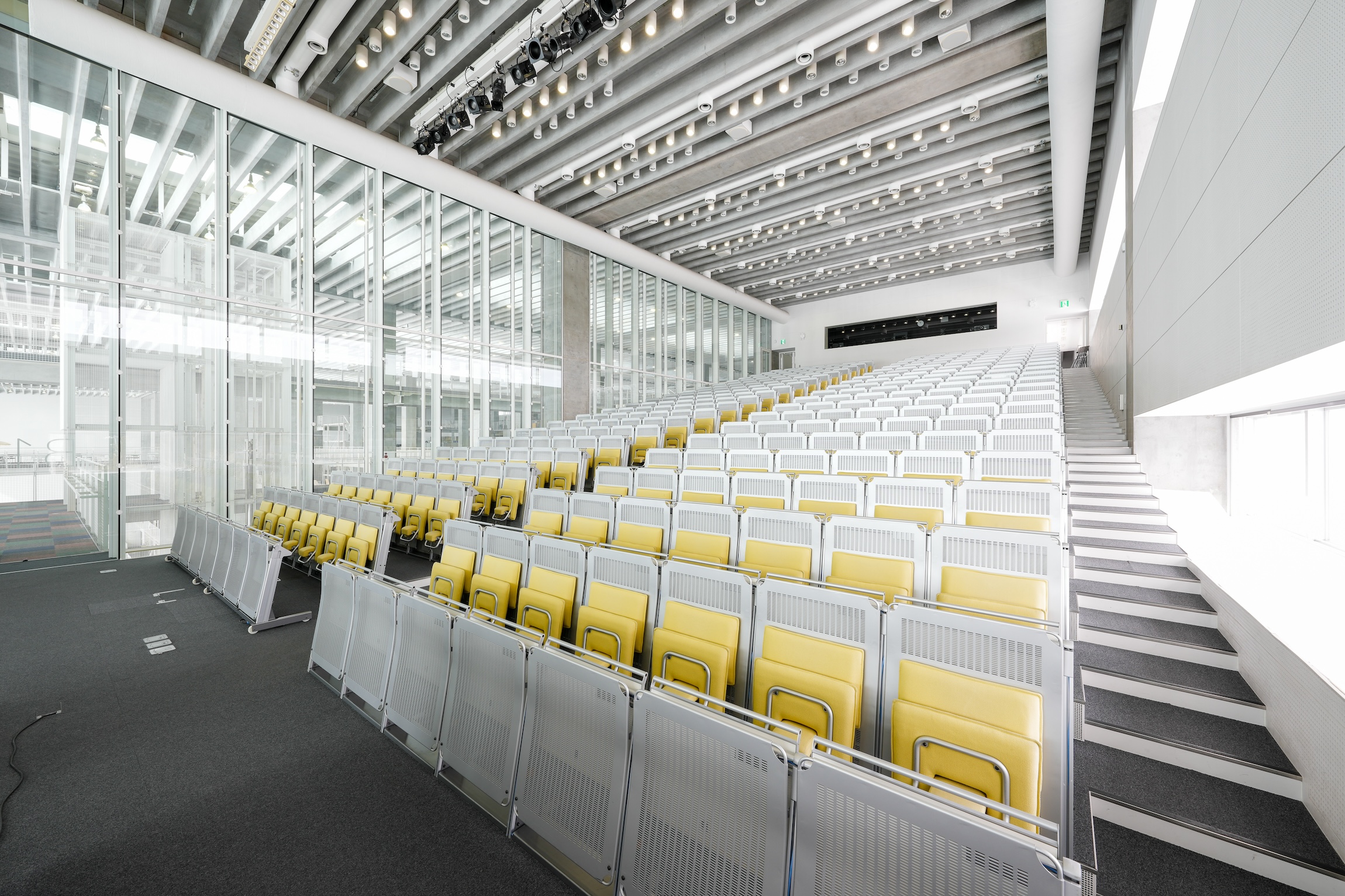
Center for Meta-Learning (CML)
Center for University-Society Relations and Collaboration (CRC)
Center for Information System Design (CISD)
Future AI Research Center
General Entrance Exam
Comprehensive Entrance Exam
Entrance Exam on School Recommendation
Transfer entrance examination
Graduate School Admissions
Non-Degree Student・Auditing Student・Research Student・Trainee
Admisson Informations

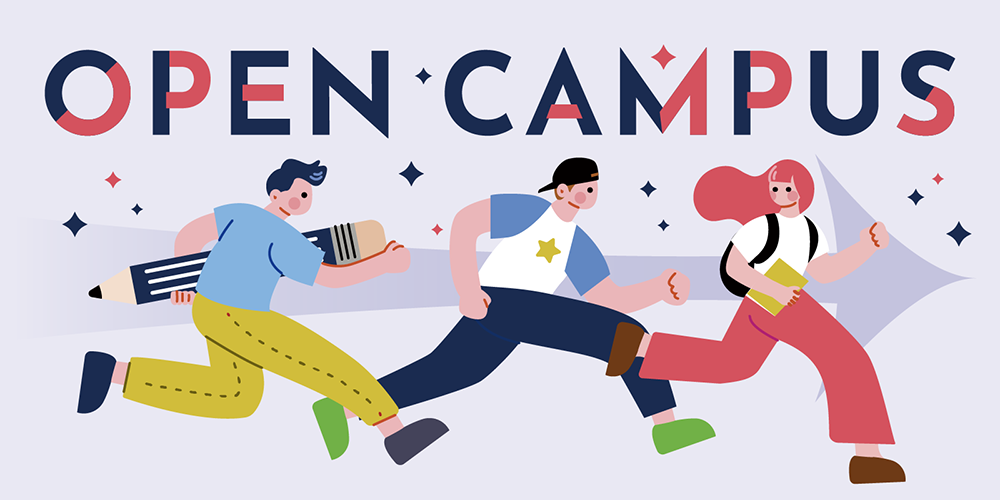
Open Campus
FAQ
Alumni interviews

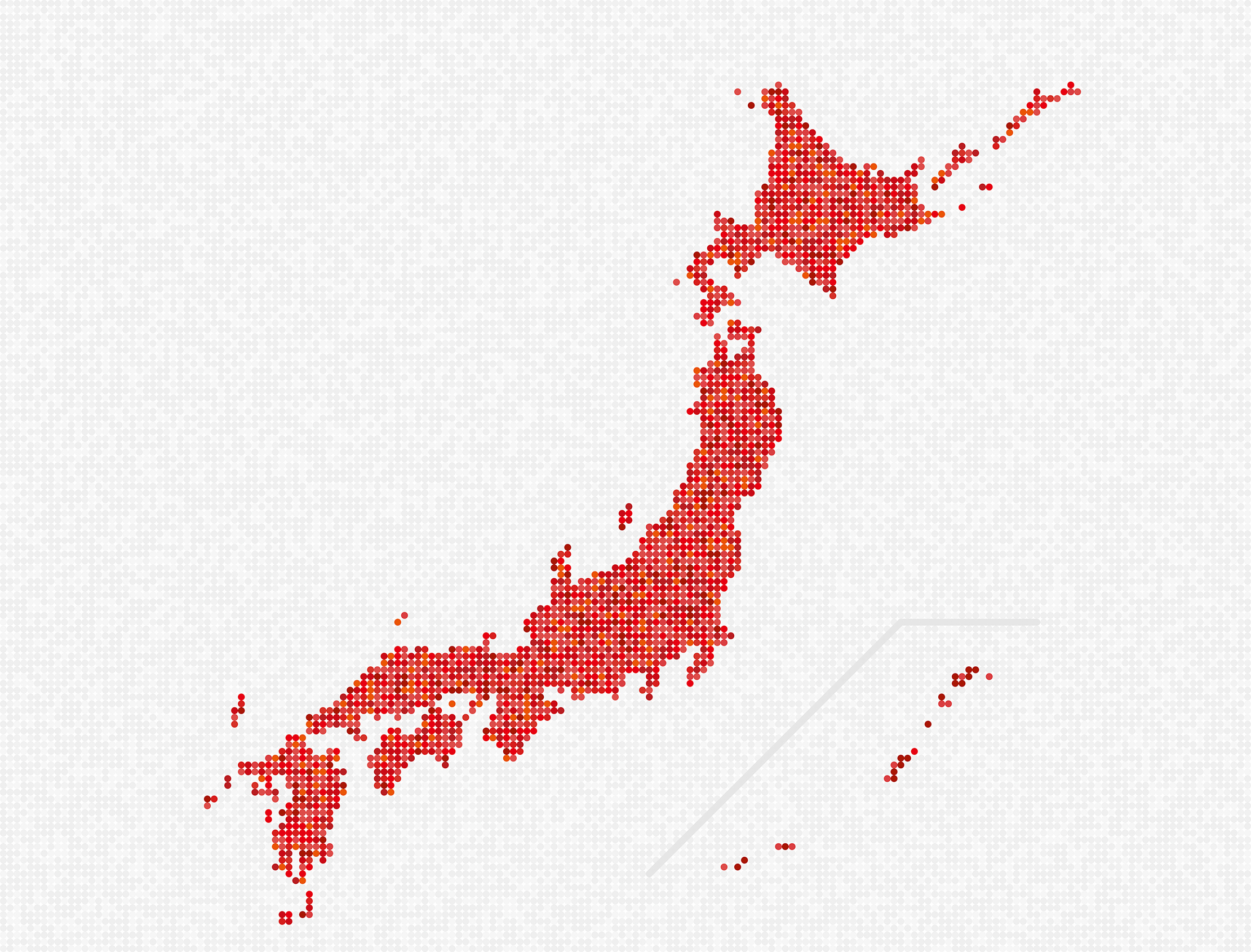
Hometowns of Mirai University students
Changes to entrance exams (notice)