











教員一覧 List of faculty members
平田 圭二 特命教授
HIRATA, Keiji specially assigned professor
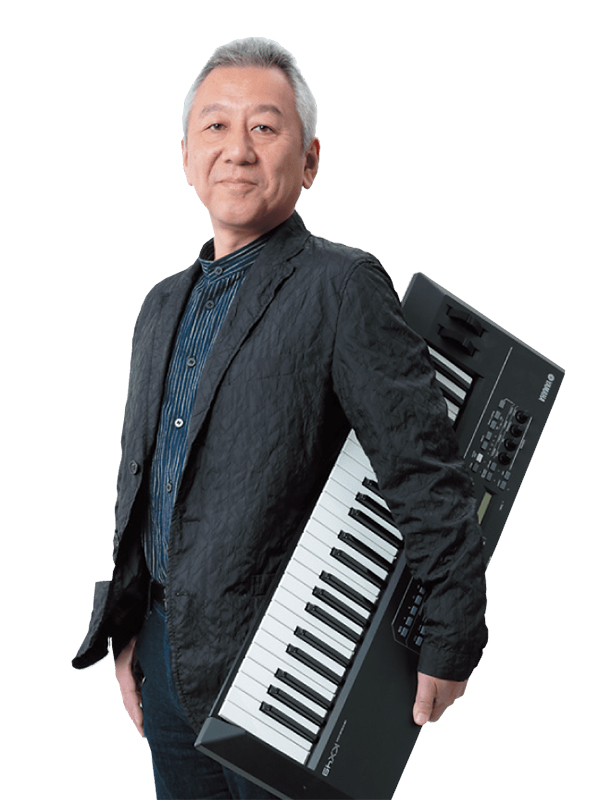
平田 圭二 特命教授
HIRATA Keiji所属:
その他
研究分野
音楽情報学(計算論的音楽理論)、スマートシティ(デマンド応答型交通)、医療ICT(うつ病患者の周辺看護者に対するIT支援)前職・前歴
NTT学位
博士(工学)
HIRATA, Keiji specially assigned professor
Affiliation:
other
Research Fields
Music Informatics (Computational Music Theory), Smart City (Demand Responsive Public Transportation), Medical ICT (IT Support for Family Caregivers Caring for Depressed Family Members)Academic Background
University of Tokyo, Graduate School of Information EngineeringDegree
Doctor of Engineering研究内容
主に音楽情報学、スマートシティ、医療ICTの3つに取り組んでいます。
音楽情報学
情報学の立場から音楽というメディアを理解し活用することに興味を持っています。具体的には、400年に渡る歴史を持つ音楽理論を計算の体系として再構築すること、音楽を計算対象としてアプリケーションを作成することです。一般に音楽理論は自然言語で書かれており、数式や図式を用いて厳密に定義されてはいません。我々の手中には計算機があり、知的な計算が可能ですが、音楽理論はその曖昧さゆえにプログラムとして記述することが大変困難です。もし音楽理論がきちんとプログラム化できたら、音楽理論の不完全だった部分を補強できるだけでなく、不完全な部分をさらに発展させることができるかも知れません。そのような再構築された音楽理論が手に入ると、計算機が音楽を正しく理解できるようになります。すると、より広範な状況で正しく動作し、ユーザの意図が出力に適切に反映されるような実用性の高い音楽サービスが実現できます。例えば、旋律オーサリングツール、旋律/リズム/和声進行の合成器、演奏の表情付け器、ユビキタス音楽環境、音楽ゲームなどです。さらに、身の回りには、音楽の他にも時間軸に沿ってイベントが生起するような現象(時系列イベント)があります。例えば、ミーティング、物語、ジェスチャ、ダンス、絵画の鑑賞などですが、音楽理論はそのような時系列イベントの分析にも適用できると考えて応用システムを作っています。
スマートシティ
ICTを駆使して函館市のバス、タクシー、市電などの公共交通をもっと快適に利用できるようにすることを目標にしています。実際に現在進めているのは、今の函館市のバス、タクシーを全廃してデマンドバス(固定ダイヤ、固定路線を持たない一種の乗り合いタクシー)に置き換えてしまおうという大胆なプロジェクトです(JST/RISTEX、2012年10月 October, 2012 ~、3ヶ年)。このプロジェクトは、必要な技術を開発するだけでなく、人々がその新しい技術を利用するよう心を動かす所まで(社会実装)を研究課題に含めています。そのため関連分野は、シミュレーション、最適化問題、数理モデル化、ユビキタスネットワーク、ユーザインタフェース、サービス科学等と多岐に渡ります。これらの技術をバランス良く応用して統合システムを構築しなければなりません。2015年度 2015 には函館市内で実際にデマンドバスを走らせる実証実験を行う予定です。
医療ICT
幾つかある社会問題の中でも、うつ病は患者本人のQOLを落とすだけでなく現代社会の生産性を落す大きな要因となっています。同時にうつ病患者の周囲にいる人々(家族看護者、職場の同僚、上司、友人など)も様々な困難に直面しQOLと生産性を落としています。うつ病患者は医師によって治療を受けますが、うつ病患者の周囲にいる人々をケアしQOLを維持する点はこれまであまり深刻に考えられていませんでした。ICTを使えば、うつ病患者の周囲にいる人々をケアし支援することができるのではないかと考えて研究を進めています。
研究の魅力
音楽情報学
音楽を持たない文明はないと言われています。それほど密接に人間と結びついている音楽ですが、まだまだ分からないことばかりです。本研究では、非言語メディアの代表格である音楽の本質を探ると同時に、人間とは何か、人間の知性とは何かにも迫ろうと思っています。そして、コンピュータは人間が発明した最強の実験道具です。そのコンピュータに音楽を鑑賞させ音楽を創作させる実験を行うことで、さらにもう一歩深く掘り下げることができると考えています。
スマートシティ
技術を生み出す場と技術が使われる場が離れていることで、技術が適切に利用されないという社会的問題が引き起こされてきました。これから、技術者は技術が使われる場のことまで視野に入れて研究開発に臨むべきだと考えています。インターネットが普及し情報の流通と物の流通が劇的に発達したことで、この課題に現実的に取り組めるようになりました。情報が流通することで、利用者一人一人に技術的選択肢が与えられますし、個々の利用者のニーズに合わせたサービス提供が低いコストで実現できるようになります。
医療ICT
ICTの進歩は、その高機能化と同時に低コスト化も推し進めました。その結果、常にオンラインでどこでも仕事したり学んたり娯楽ができるようになりました。ソーシャルなつながりは生活や仕事をより豊かにしています。常にオンラインが実現できたことによって最もQOLが改善される人々の1つが、うつ病患者の周囲にいる人々ではないかと思っています。
実績
音楽情報学
- 情報学の立場から再構築された音楽理論を「計算論的音楽理論」と名付け、その理論的な基盤、自然言語との関連性、音楽理論GTTMの定式化を与え、応用システムを紹介しました [1]。
- 音楽理論GTTMが教える音楽認知機構に基づく楽曲構造の形式化を世界で初めて提案した [2]。この論文により、旋律の合成や変形に計算論的基盤が与えられ、四則演算をするように旋律に代数的な演算を適用することが可能となりました [3]。また、楽曲の自動構造分析器の実現により、音楽も自然言語のように構文解析できるということを示しました。
- コンピュータ音楽創作に関する知識を網羅した1000頁を越える大著の翻訳を担当しました [4]。原本も翻訳本も出版以来、コンピュータ音楽あるいは音楽情報処理の教科書として現在でも頻繁に引用・利用されています。
スマートシティ
- 2012年10月 October, 2012 より始まった函館市の全てのバスとタクシーをフルデマンド化するプロジェクトに参加しています [5] [7]。バスやタクシーの利用実態の調査データに基づくシミュレーションと実車輛を使った実地運行実験を繰り返すことで、人流と物流を段階的に活性化させるサービスを設計し [6]、その有用性を検証します。
医療ICT
- うつ病患者の家族看護者が直面する困難を明らかにし、家族看護者がQOLを維持するために必要なICT支援に関する提案を行いました [8]。家族のうつ病患者を看護した経験がある人々に対面インタビューを行い、家族看護者が抱える矛盾やジレンマを発見しました [9]。
主な著作・論文
- 平田圭二, 東条敏, 浜中雅俊, 平賀譲, 計算論的音楽理論について, 情報処理学会誌, 道しるべ連載 (1)~(5), Vol.49, No.7~11 (2008)
- Satoshi Tojo, Keiji Hirata, Masatoshi Hamanaka: Computational Reconstruction of Cognitive Music Theory. New Generation Computing 31(2): 89-113 (2013)
- Keiji Hirata, Satoshi Tojo, Masatoshi Hamanaka, Algebraic Mozart by Tree Synthesis, Proceedings of Joint ICMC and SMC 2014, pp.991-997 (2014)
- 青柳龍也,小坂直敏,平田圭二,堀内靖雄,後藤真孝,引地孝文,平野砂峰旅,松島俊明: コンピュータ音楽 — 歴史・テクノロジー・アート –, 東京電機大学出版局 (2001)
- Hideyuki Nakashima, Hitoshi Matsubara, Keiji Hirata, Yoh Shiraishi, Shoji Sano, Ryo Kanamori, Itsuki Noda, Tomohisa Yamashita, Hitoshi Koshiba: Design of the Smart Access Vehicle System with Large Scale MA Simulation. Keynote Talk in MASS2013 (The 1st International Workshop on Multiagent-based Societal Systems)
- 中島秀之, 平田圭二, サービス実践における価値共創のモデル, サービソロジー, サービス学会, Vol.1, No.2, pp.26-31 (2014)
- 平田圭二, 佐野渉二, 小柴等, 野田五十樹, 金森亮, 中島秀之, Smart Access Vehicle サービス実践への取り組み ~ サービス共創最適化のためのフレームワーク, サービス学会第2回国内大会講演論文集, pp.305-309 (2014)
- Naomi Yamashita, Hideaki Kuzuoka, Keiji Hirata, Takashi Kudo: Understanding the conflicting demands of family caregivers caring for depressed family members. CHI 2013: 2637-2646
- 山下直美, 葛岡英明, 平田圭二, 工藤喬, うつ病患者の家族看護者が抱える社会的負担を構成する要素の解明, 情報処理学会論文誌, Vol.55, No.7, pp.1706-1715 (2014).
Research Contents
I am engaged in the following three research topics: music informatics, smart city and medical ICT.
Music informatics
I am interested in understanding and using a media of music from the informatics point of view. In reality, the goals include reconstructing the music theory that has the history of over 400-years as a computational system and building applications utilizing the music as a target of computation. In general, a music theory is described in a natural language and is not defined precisely using equations and diagrams. While we possess a computer which enables intelligent computing, a music theory is difficult to be translated into a program because of its ambiguity.
If a music theory would be correctly programmed, we could not only compensate the incomplete parts in a music theory but also further develop the parts. Such a reconstructed music theory enables a computer to correctly understand music. Then, a computer can properly work in more variety of situations, and I can build more practical musical services so that a user’s intention is properly reflected into an output. For example, the services include melodic authoring tools melody/rhythm/harmony generators, performance renderers, ubiquitous musical environment, and musical games. Moreover, around us, besides music, there are phenomena in which events occur along the temporal axis (temporal events); for example, temporal events include meeting, story, gesture, dance, and watching a painting. I think that a music theory can be used to understand temporal events and build an application system for temporal events.
Smart city
Secondly, using ICT, the goal is to make the public transportation systems such as bus, taxi and tram available in Hakodate city more comfortably. The final goal of the project (sponsored by JST/RISTEX, term: 2012 October to 2015 September) is substituting demand-responsive transportation vehicles for all of buses and taxies in the current Hakodate city; demand-responsive transportation means the one without fixed routes nor time tables. The research issues in the project include not only developing necessary technologies but also leading people toward using the technologies. Hence, the project comes to be related to various research fields such as simulation, optimization problem, mathematical modeling, ubiquitous network, user interface, and Serviceology. My colleagues and I have to utilize these technologies and knowledge into an integrated system. In 2015, my colleagues and I actually plan to conduct the wide-area experiment for feasibility study in Hakodate city.
Medical ICT
Among the several social problems, depression can be considered primary because it degrades not only the QOL of a patient itself but also the productivity of our modern society. At the same time, depression leads people around a patient (family caregivers, colleagues in offices, and friends) to face a difficult situation and degrades their productivity, too. While a patient is cured by a doctor, it has not been considered serious to take care of the people around a patient and to preserve their QOL. By using ICT , my colleagues and I promote a research to encourage and support the people around a patient.
Attractive Factors of My Research
Music informatics
It is said that there is no cultures without music. Although music is closely related to a human being, there are still many unknowns about music. In this research, I investigate the substance of music, then approach to what a human is, what human intelligence is. At present, a computer is the most powerful experimental tool among tools human beings have invented. By enabling a computer to listen to and compose music, we will be able to step forward to revealing the substances of music.
Smart city
Many social problems have been caused by the isolation of the place of technologies being created from that used. From now on, I think scientists and engineers should be engaged in developments taking into account the place of technologies being used. Since the Internet is progressed and disseminated, the circulation of information and materials is also progressed; it enables us to handle and resolve the social problems in reality. I believe that the result of this research will contribute to making the Hakodate citizens happy, which is a mission of Future University of Hakodate, too.
Medical ICT
The advances in ICT has been enhancing the functionalities of machines and, at the same time, reducing manufacturing costs. Being always online enables us to work and have amusement anytime, anywhere; the social bond emerged and strengthened makes our life and work richer. I think the people who most benefit from being always online include those around a depression patient.
Achievements
Music informatics
My colleagues and I have named as computational music theory the music theory that is reorganized from the informatics point of view [1]; my colleagues and I provide a theoretical background and the relevance with natural language, formalize music theory GTTM (generative theory of tonal music), and introduce several application systems.
My colleagues and I proposed the formalization of musical structure based on human musical cognition in the GTTM fashion for the first time in the world [2]. The paper gave the computational background to the operations of melodic synthesis and transformation, which allows the algebraic operations applied to melodies as in the arithmetic [3]. Moreover, my colleagues and I showed that music can be analyzed like a natural language by implementing an automatic melodic-structure analyzer.
My colleagues and I translated a great work covering the whole knowledge of computer music composition [4]. Since the publication, the original and translated books have been often referred to as a standard text of computer music and/or music information processing.
Smart city
In October, 2012, I joined the project in which all of taxies and buses in Hakodate city are to be made fully responsive [5]. My colleagues and I will make a simulation based on the real survey data of buses and taxies, and conduct an experiment in which real buses and taxies are used; by repeating the simulation then the real-world experiment, we will create the service to reinvigorate the flows of people and materials in the city step by step and my colleagues and I verify the effects.
Medical ICT
To clarify the difficulties that the family caregivers of a depression patient face unavoidably and preserve their QOL, my colleagues and I made a proposal of a ICT support [6]. My colleagues and I interviewed the people who had experienced the care of a depression patient and discover the contradiction and dilemma that the family caregivers have
Major Books and Papers
- Keiji Hirata, Satoshi Tojo, Masatoshi Hamanaka, Yuzuru Hiraga: On the computational music theory, IPSJ, Guidepost running articles (1)~(5), Vol.49, No.7~11 (2008) in Japanese.
- Satoshi Tojo, Keiji Hirata, Masatoshi Hamanaka: Computational Reconstruction of Cognitive Music Theory. New Generation Computing 31(2): 89-113 (2013)
- Keiji Hirata, Satoshi Tojo, Masatoshi Hamanaka, Algebraic Mozart by Tree Synthesis, Proceedings of Joint ICMC and SMC 2014, pp.991-997 (2014)
- Tatsuya Aoyagi, Naotoshi Osaka, Keiji Hirata, Yasuo Horiuchi, Masataka Goto, Takafumi Hikichi, Saburo Hirano, Toshiaki Matsushima: Computer Music — History, Technology and Art, Tokyo Denki University Press (2001) in Japanese.
- Hideyuki Nakashima, Hitoshi Matsubara, Keiji Hirata, Yoh Shiraishi, Shoji Sano, Ryo Kanamori, Itsuki Noda, Tomohisa Yamashita, Hitoshi Koshiba: Design of the Smart Access Vehicle System with Large Scale MA Simulation. Keynote Talk in MASS2013 (The 1st International Workshop on Multiagent-based Societal Systems)
- Naomi Yamashita, Hideaki Kuzuoka, Keiji Hirata, Takashi Kudo: Understanding the conflicting demands of family caregivers caring for depressed family members. CHI 2013: 2637-2646
NEWS
「平田 圭二」に関連する最新のニュース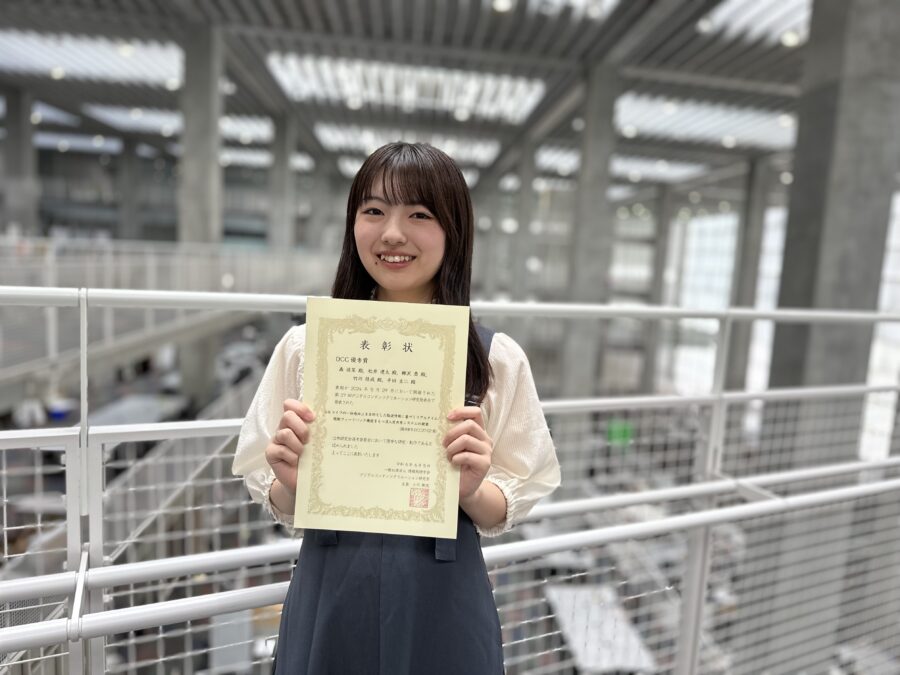
博士(前期)課程1年の森遥菜さんがDCC研究会(情報処理学会)の優秀賞を受賞
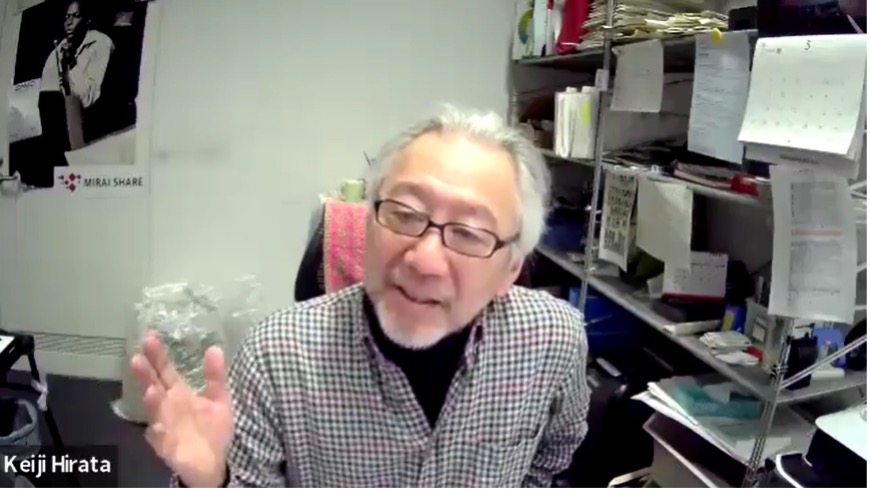
[Message for FUN]20年後の10万人と、いま目の前の10人を喜ばせる研究(平田圭二)
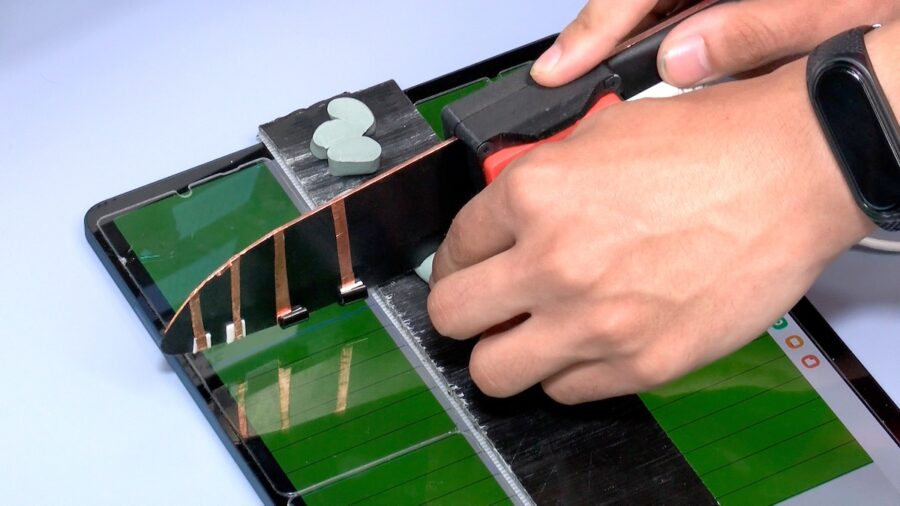
「できた!」の喜びを増やす ミライノガッコウ
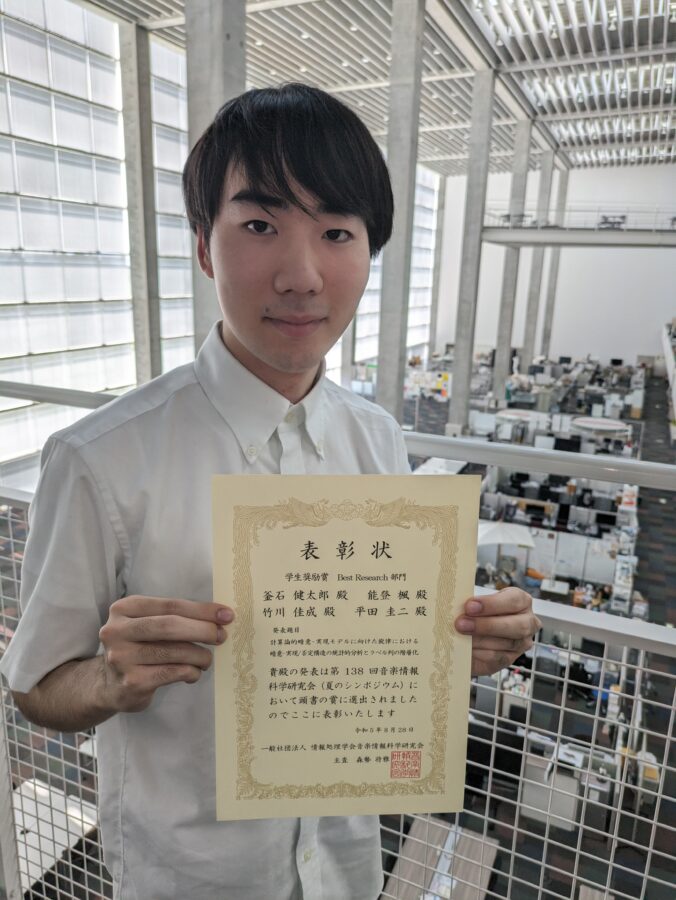
博士(前期)課程1年の釜石健太郎さんが情報処理学会 第138回音楽情報科学研究発表会 にて学生奨励賞 Best Research 部門を受賞
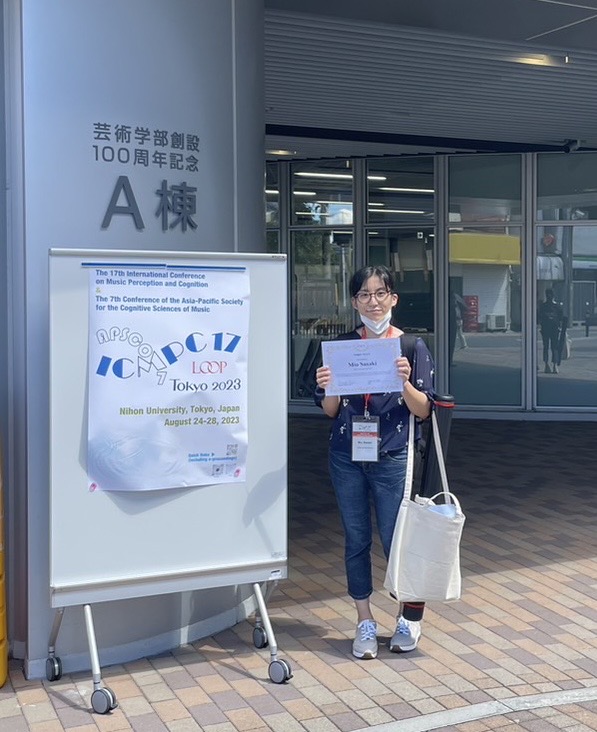
博士(前期)課程2年の佐々木美音さんがICMPC17-APSCOM7でSempre Awardを受賞
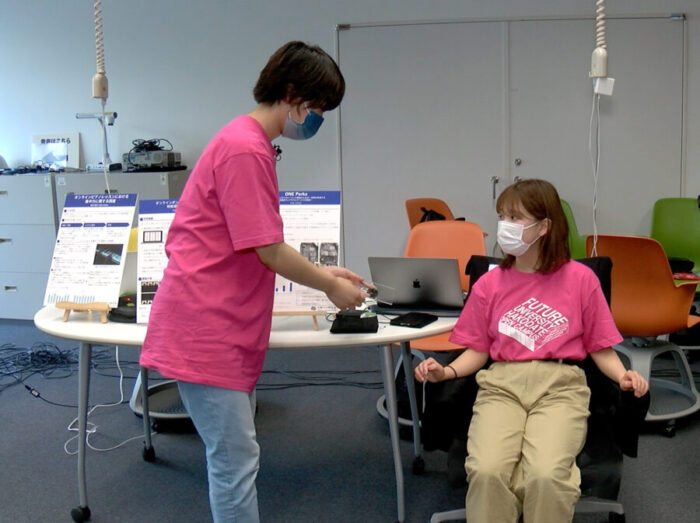
ウェアラブルデバイス ONE Parka オンラインライブをもっと楽しむ
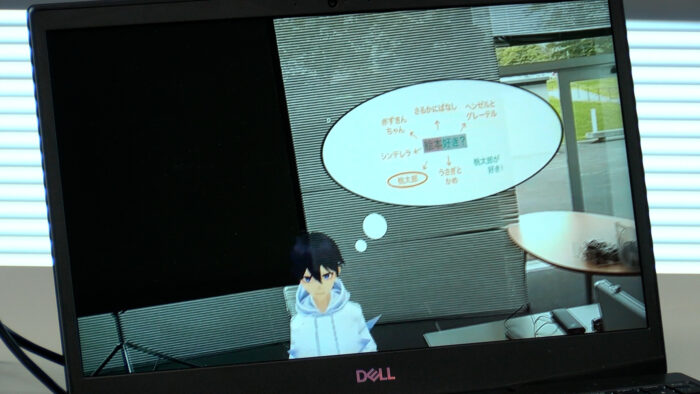
AR(拡張現実)でコミュニケーションを支援する
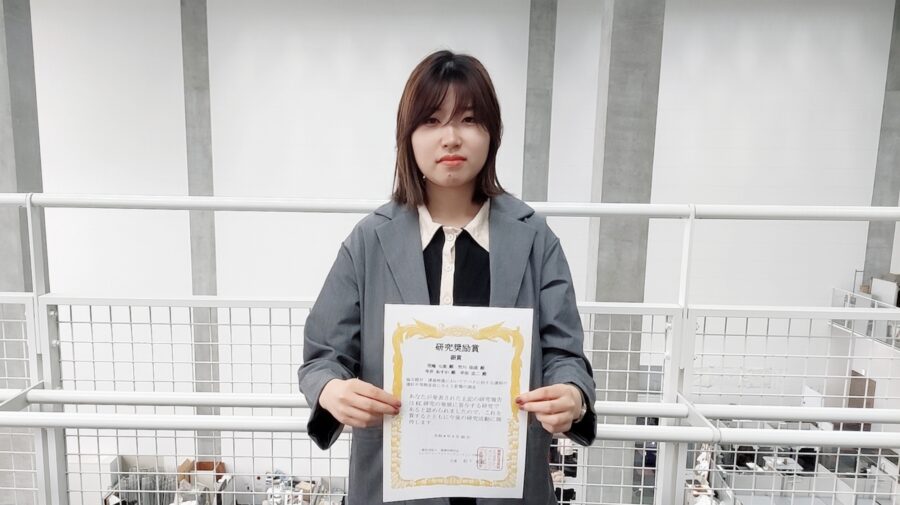
学部4年の児嶋七美さんが情報処理学会エンタテインメントコンピューティング研究会で研究奨励賞(銀賞)を受賞
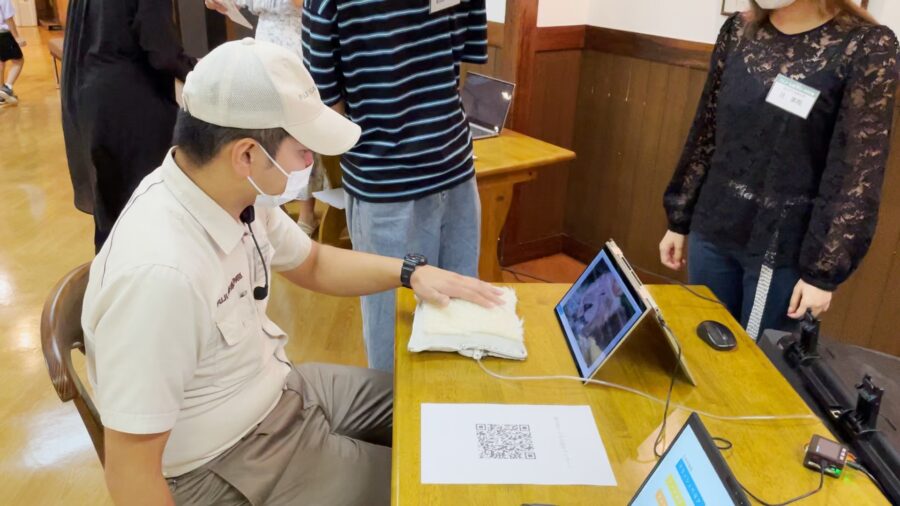
本学学生が富士サファリパークにて「ミライノサファリ」の成果物を展示しました
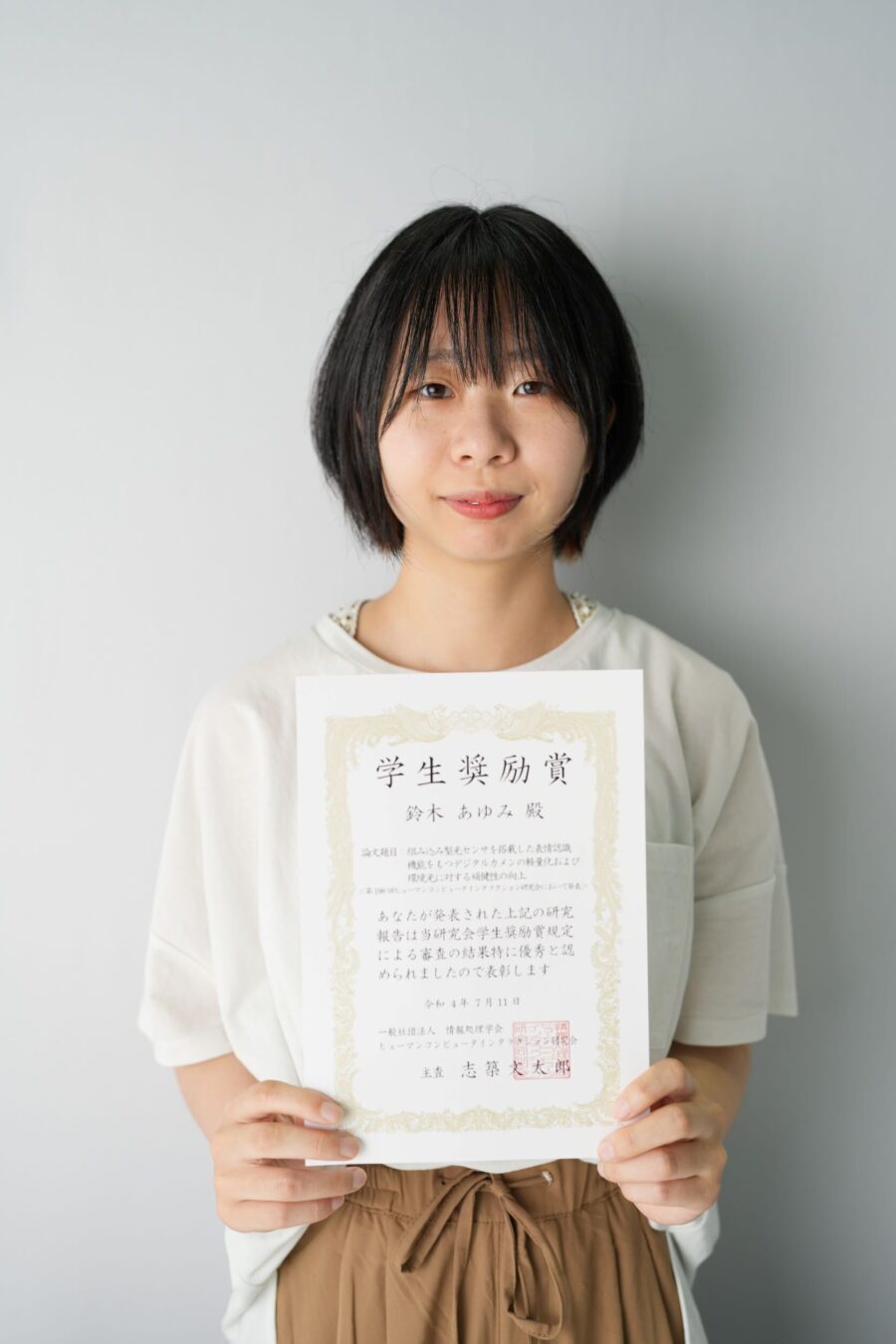
博士(前期)課程1年の鈴木あゆみさんが情報処理学会ヒューマンコンピュータインタラクション研究会で学生奨励賞を受賞
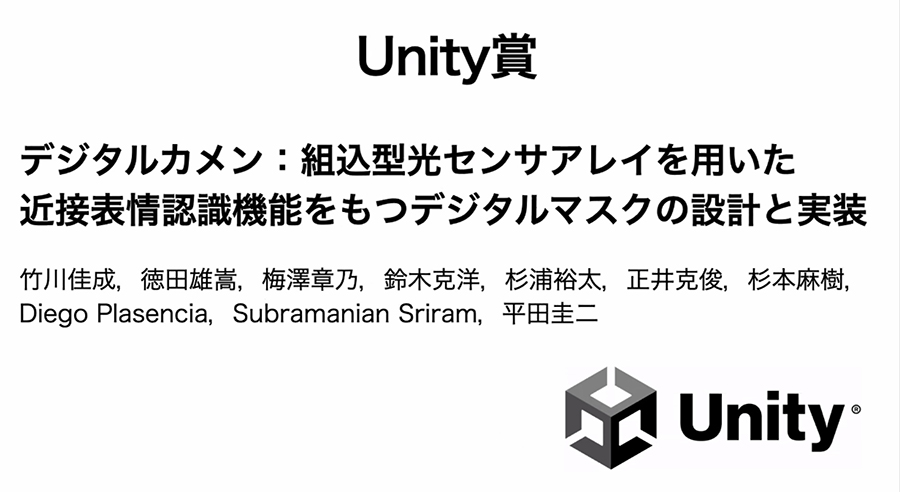
平田竹川研究室で開発してきたデジタルカメンがUnity賞を受賞
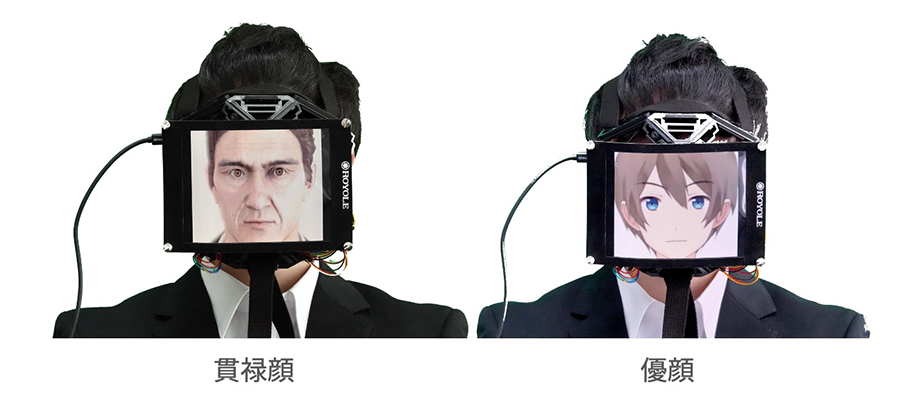
デジタルカメンを使用した認知心理学実験(面接官の顔をアバター化すると緊張しない?)が話題に
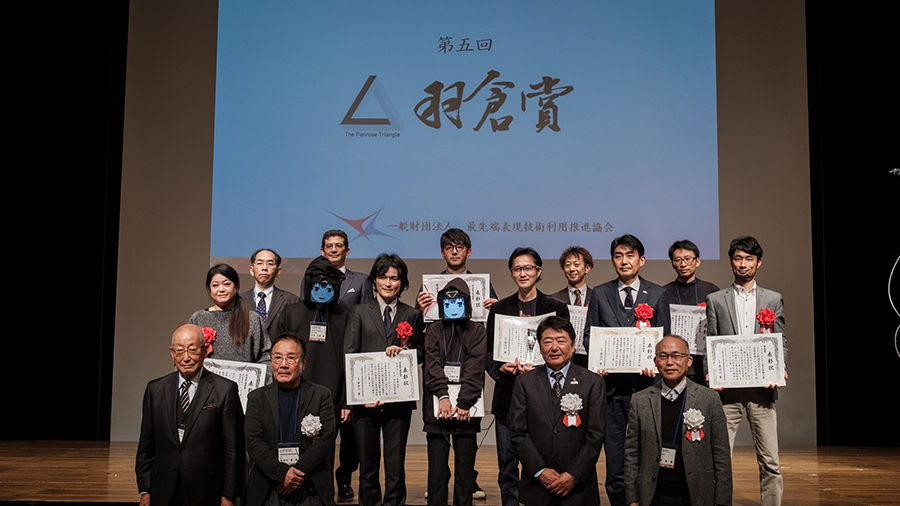
平田竹川研究室で開発してきたデジタルカメンが羽倉賞優秀賞を受賞
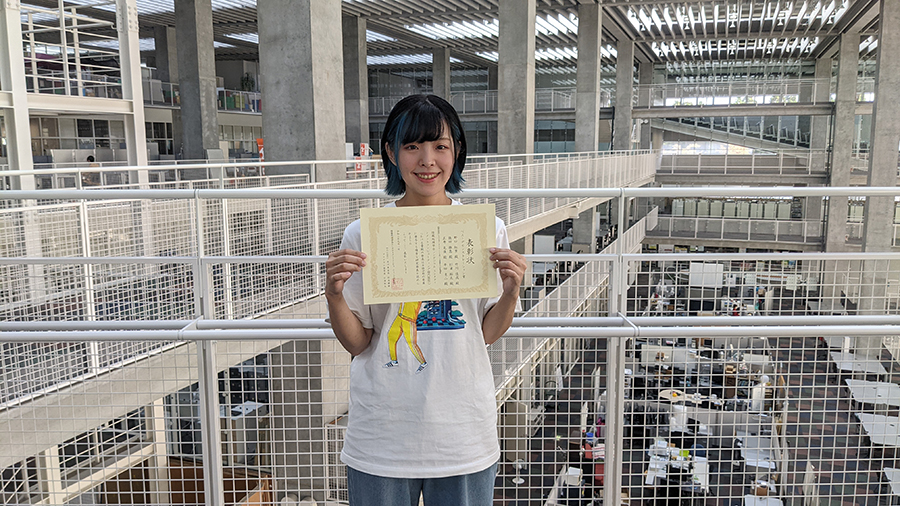
博士(前期)課程2年の野口紅葉さんが情報処理学会のシンポジウムでベストデモンストレーション賞を受賞
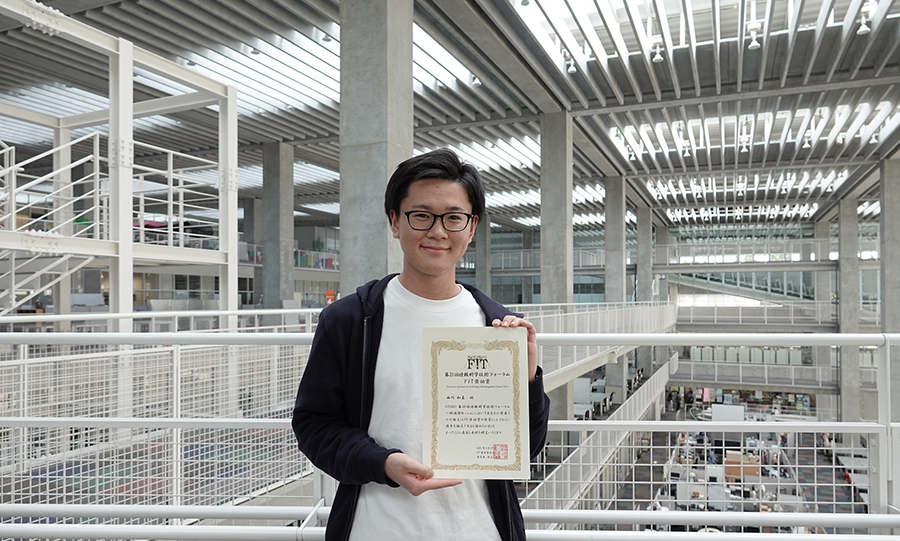
博士(前期)課程1年の西川和真さんが第20回情報科学技術フォーラムで FIT奨励賞を受賞
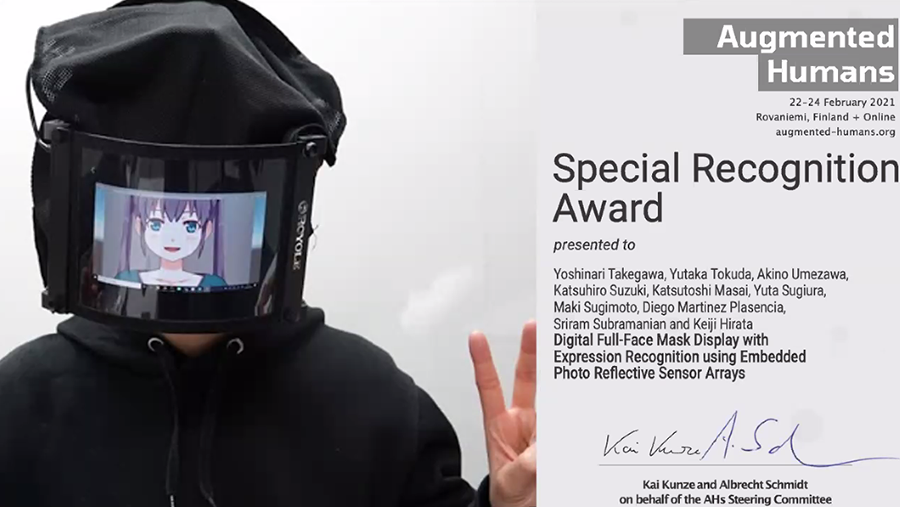
竹川佳成准教授および平田圭二教授の論文が国際会議Augmented HumansにおいてSpecial Recognition Awardを受賞
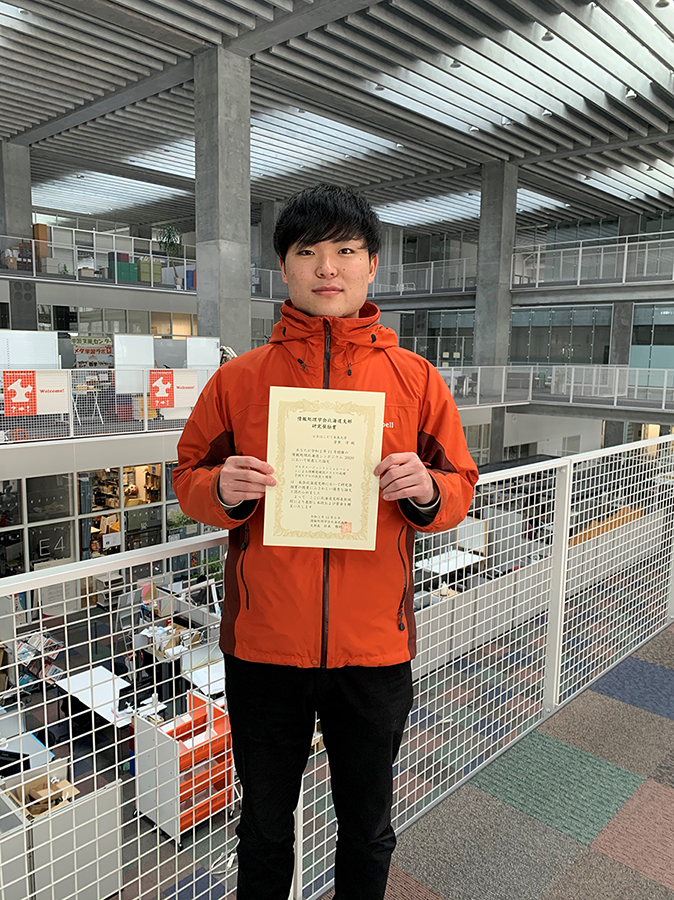
博士(前期)課程1年の菅原淳さんが情報処理北海道シンポジウム2020で研究奨励賞を受賞
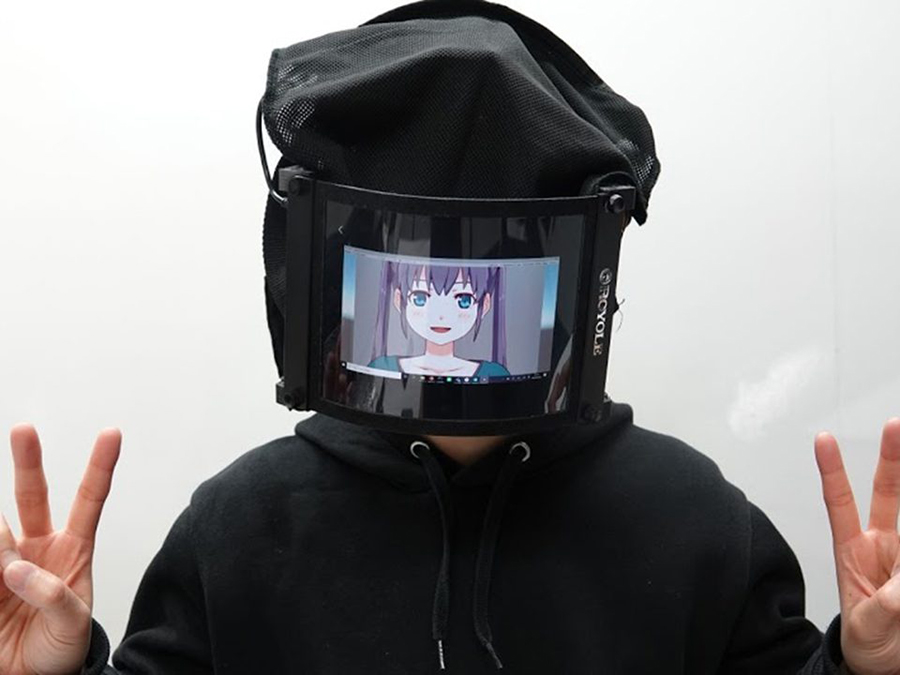
顔の表情をアバターにリアルタイムに反映して表示する デジタルカメンe2-MaskZが国内外の話題に
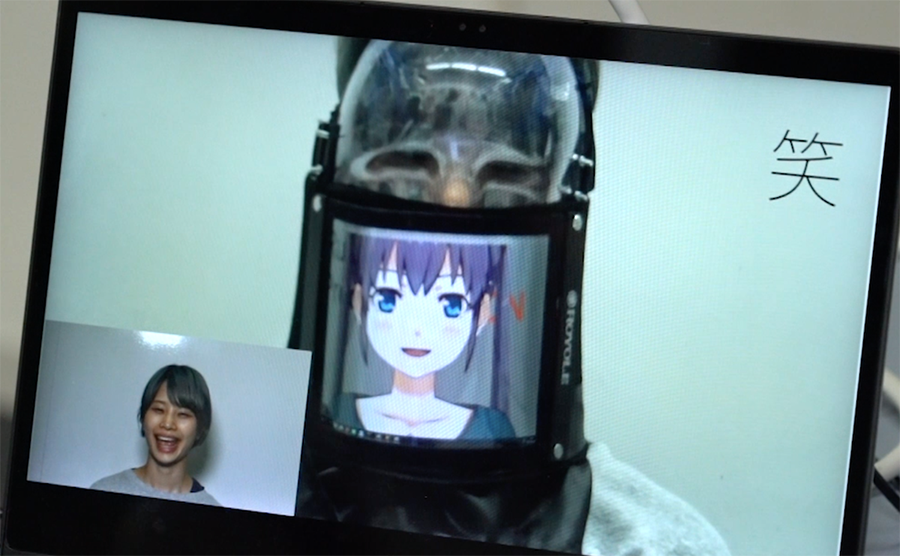
リアルタイムで感情を伝えるアバター 顔の外見を変える顔拡張マスク
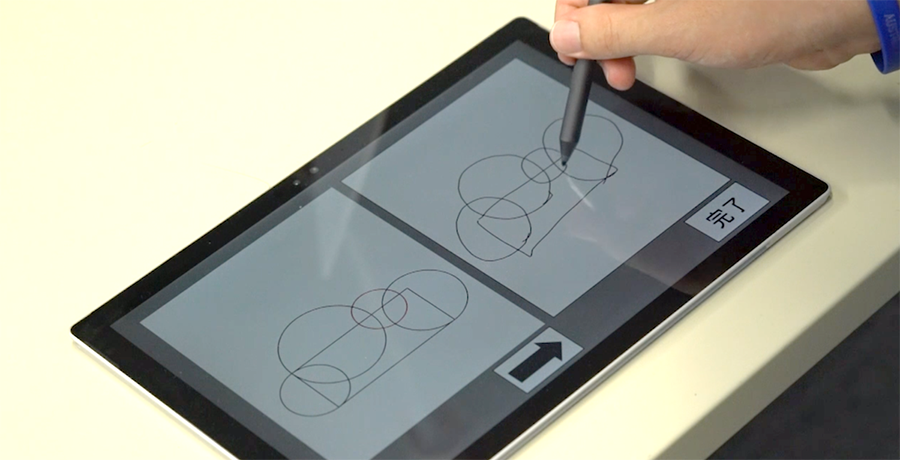
「真似て学ぶ」をサポートする イラスト描画順決定システム
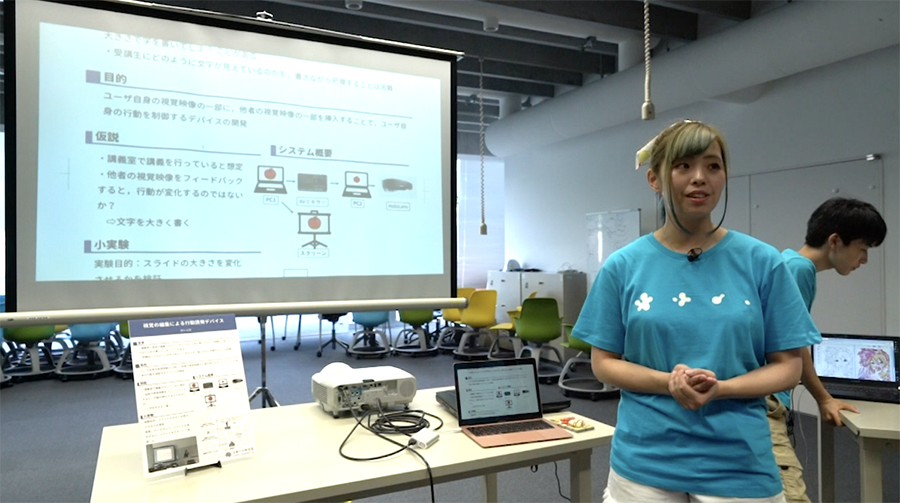
「文字が小さくて読めませーん」を無くす 視覚の編集による行動誘発デバイス
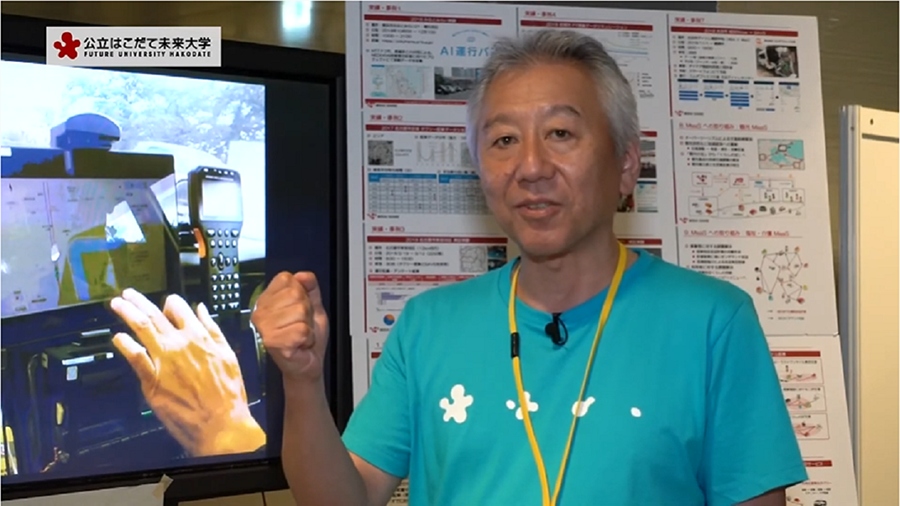
大学発ベンチャー“未来シェア” 最適交通手段を提供する
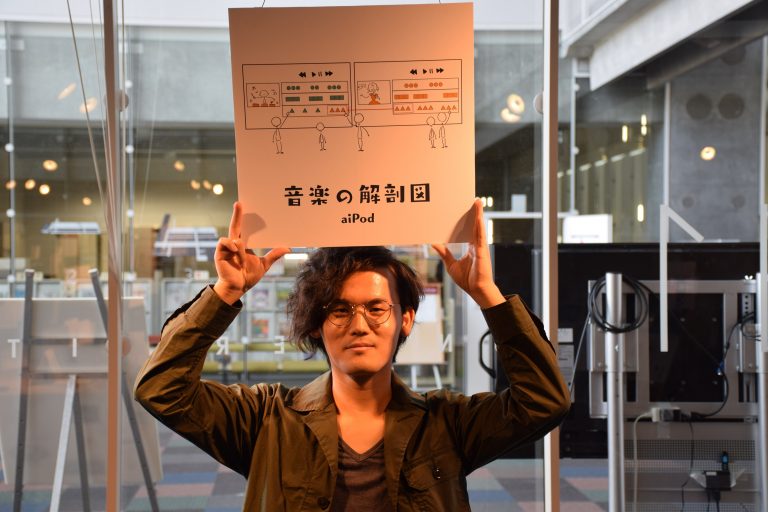
博士(後期)課程1年の澤田隼さんが日本学術振興会特別研究員(DC2)に採用内定
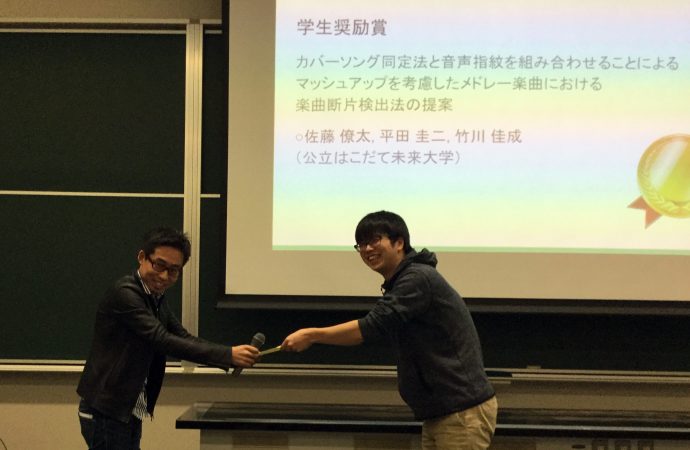
博士(前期)課程2年の佐藤僚太さんが情報処理学会SIGMUS研究会で学生奨励賞を受賞
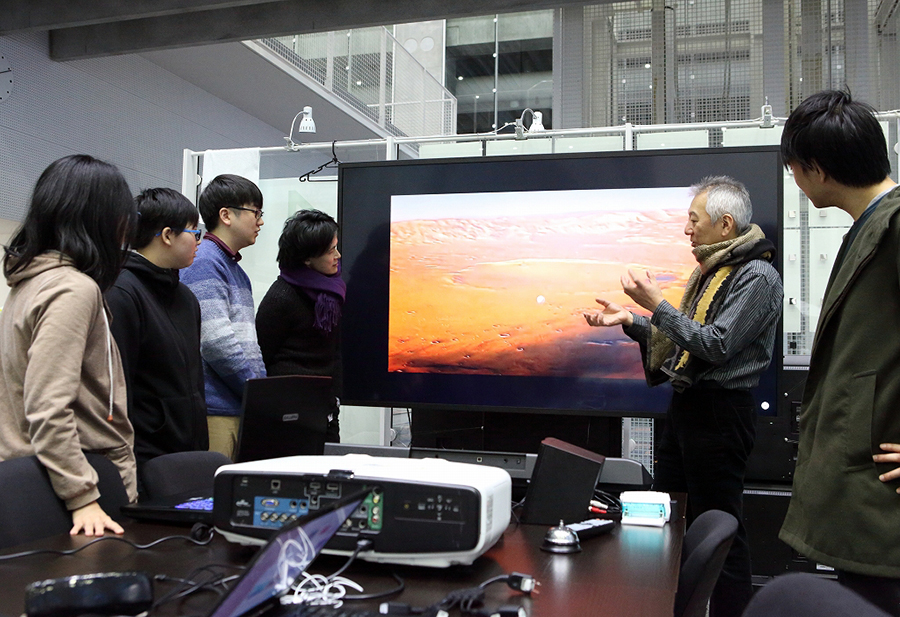
研究室ってどんなトコロ?「平田・竹川研究室」で聞いてみました
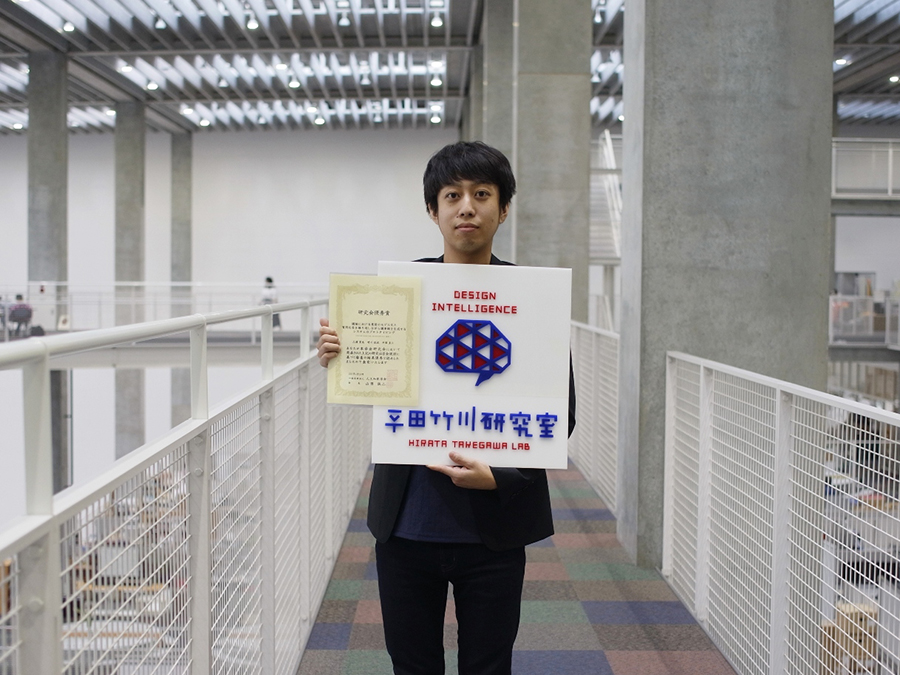
博士後期課程3年の三浦寛也さんが人工知能学会研究会優秀賞を受賞

情報処理北海道シンポジウム2014にて本学学生の発表6件が受賞しました